Farm Ground
Agricultural Land Clearing in Manning, SC for Farms and Fields
Badland, LLC provides agricultural land clearing in Manning, SC, helping farmers and landowners bring overgrown fields back into use and turn wooded ground into workable farmland. Call (803) 468-8836 for a free estimate.
Signs Your Farm Needs Agricultural Land Clearing in Manning, SC
Farmland changes quickly once it is left alone. A field that sits out of production for a few seasons fills with briars, sweetgum and young pines, and field edges creep inward every year. Agricultural land clearing in Manning, SC, puts that ground back to work and protects the acreage you already farm. Farmers and landowners usually call when they see:
- Field edges and fencerows creeping into the crop area year after year.
- A field left idle that has grown up in brush and small trees.
- Equipment that can no longer turn at the ends of rows because of overgrowth.
- Wooded acreage next to existing fields that could be farmed.
- Scattered trees in the middle of a field that slow every pass.
What to Expect
The Farm Land Clearing Process
Farm land clearing has to leave ground that equipment can work season after season. That means the plan starts with how you farm: the crops or forage you grow, the equipment you run and how you move between fields. From there, the work follows a steady sequence so the finished ground is ready for your next season.
- Topsoil
Walk the Fields
The Badland, LLC crew walks the ground with you, looking at overgrowth, tree size, wet spots, ditches and field access. You explain what the land will grow and what equipment it needs to handle.
- Subsoil
Plan Edges and Keepers
Some trees and edges are worth keeping, such as shade along a field border, a windbreak or a wooded strip for wildlife. These are agreed before work starts, along with the new field lines.
- Red clay
Clear the Ground
The crew clears the agreed areas, paying attention to the roots and stumps that cause trouble for farm equipment. Specialized equipment keeps the work efficient while protecting the soil you will be farming.
- Solid ground
Confirm the Field Is Ready
The crew walks the finished ground with you to confirm the cleared area matches the plan and is ready for the work that comes next on your farm.
Reclaiming Overgrown Farmland
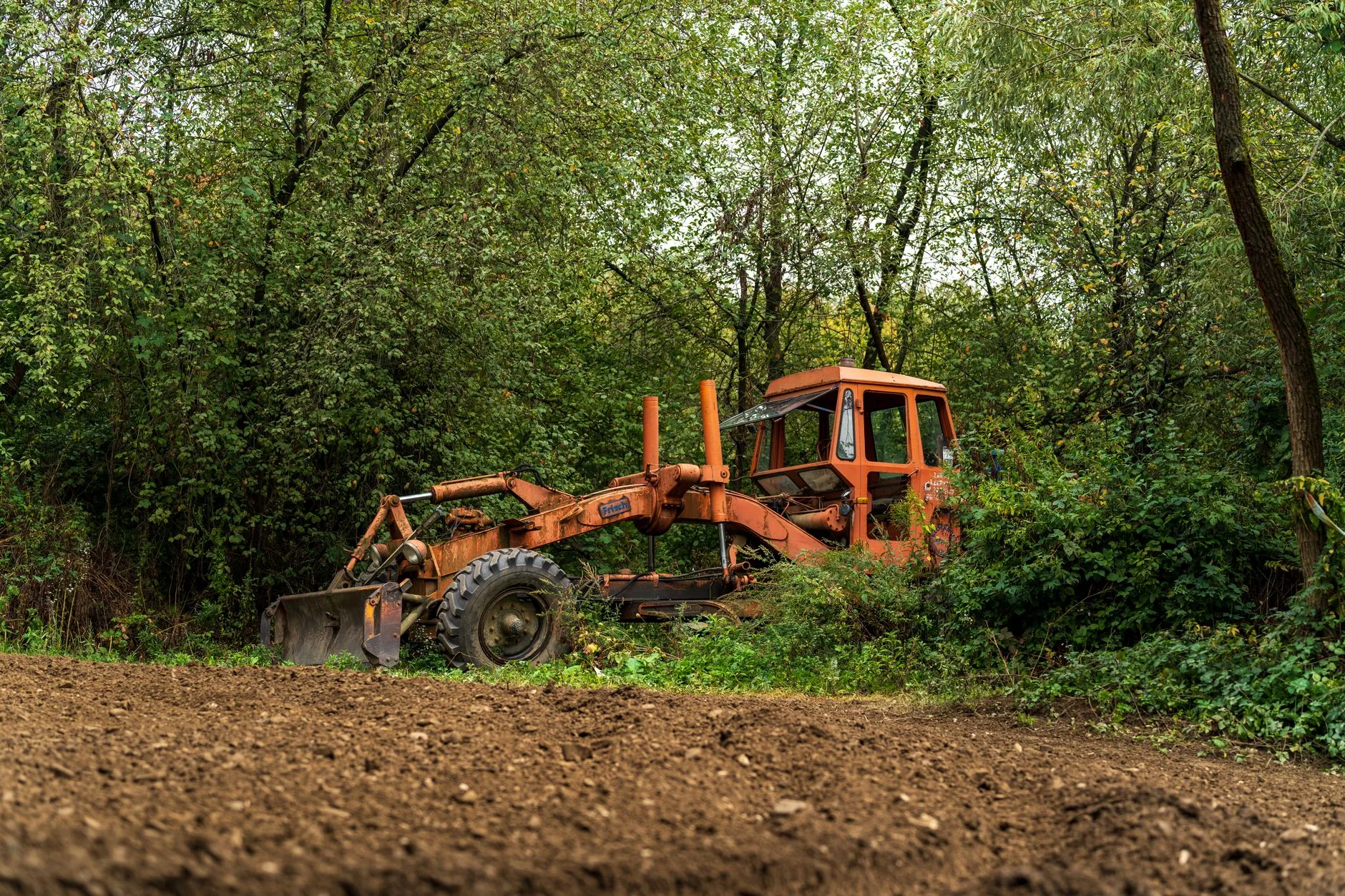
Reclaiming overgrown farmland is one of the most common agricultural jobs Badland does. Family land that sat idle, fields left out of a lease, and acreage bought from an absentee owner often share the same story: ground that once grew crops or hay now holds brush, vines and trees.
The good news is that this ground was farmed once and can be farmed again. Reclaiming it usually means clearing the brush and young trees, dealing with the roots that would catch on equipment, and reopening field edges to where they used to be. Old field lines, terraces and ditches often show up again once the overgrowth is gone.
The crew helps you decide how far to reclaim. Some owners want every acre back in production. Others want the main field reopened and a wooded edge left for wildlife or shade. Either way, the plan is agreed in writing before work starts.
Crop Field Clearing and Field Expansion
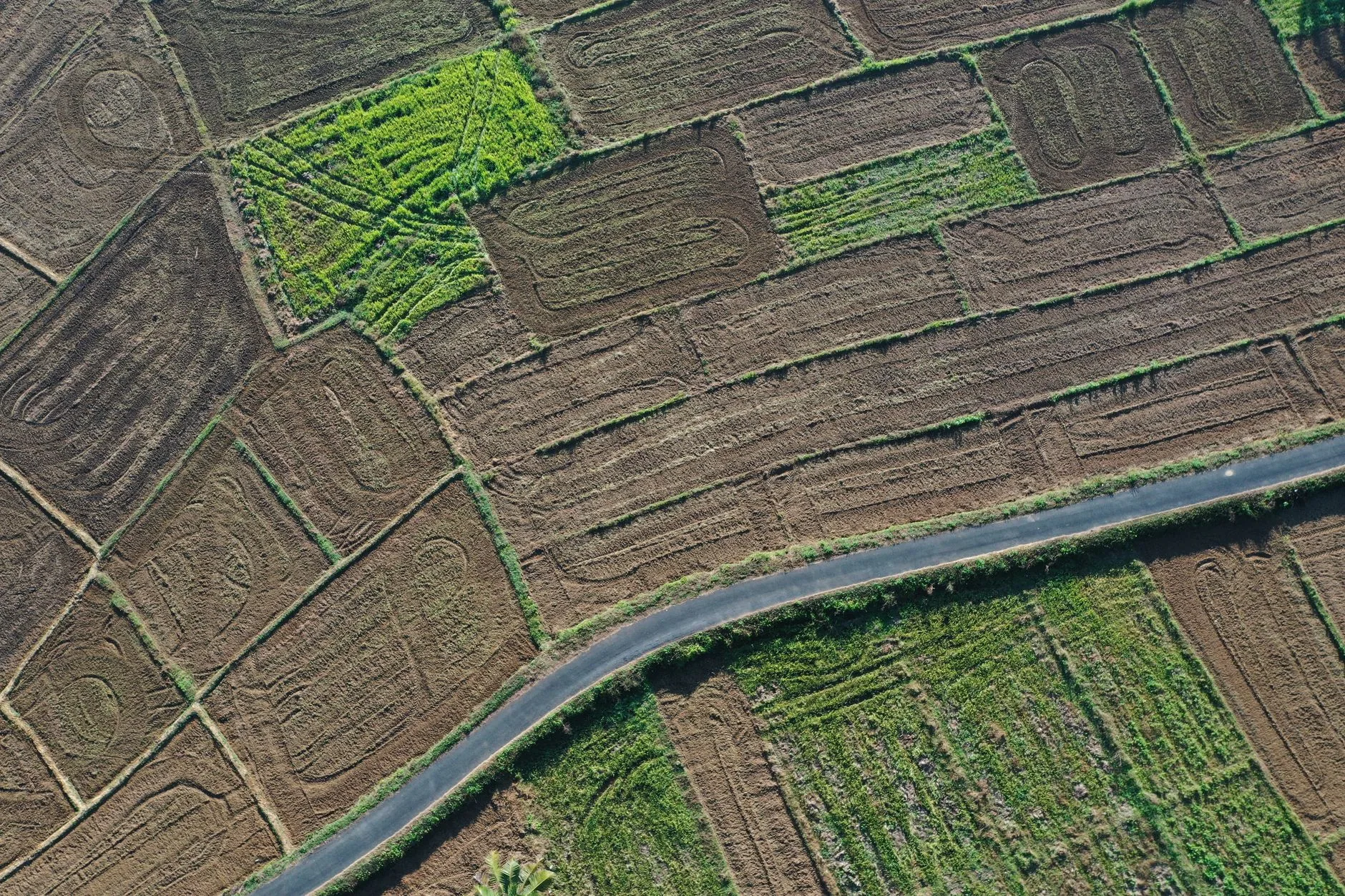
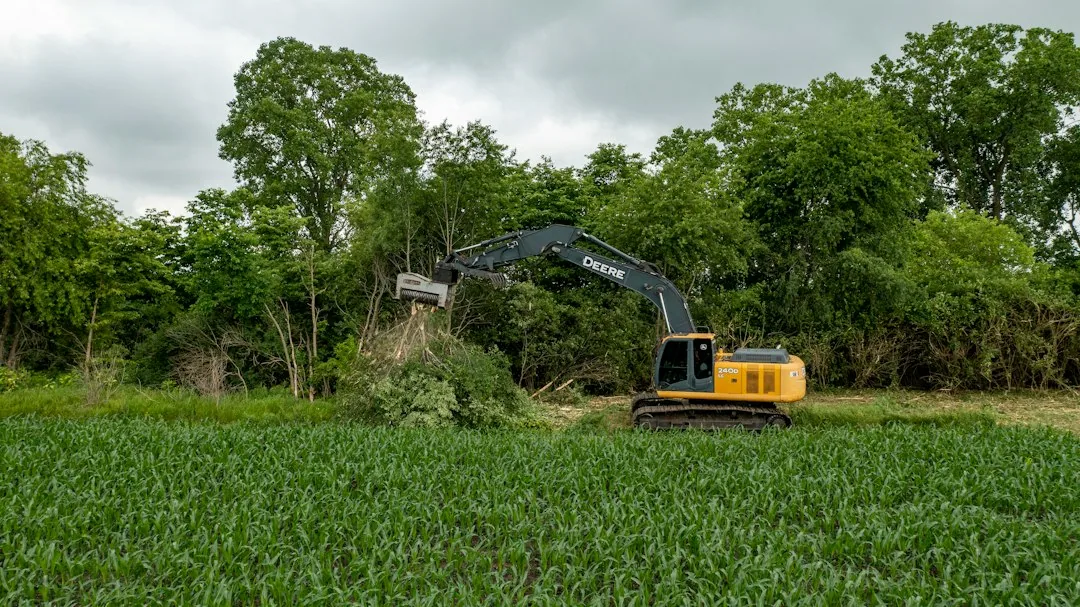
Crop field clearing covers the work that makes a field easier and more productive to farm. That can mean removing scattered trees in the middle of a field, straightening an irregular field edge, or clearing a strip of woods to make room for longer rows.
Every tree or stump left in a crop field costs time on every pass. Equipment has to slow down, turn around obstacles or skip ground entirely. Clearing those problem spots and squaring up field edges can make a field faster to plant, spray and harvest.
When you want to add new ground, the crew looks at how the cleared area will join the existing field. Matching the new rows to the old ones, keeping ditches working and leaving good access for equipment all make the expansion pay off. The conversation also covers which trees along the border are worth keeping for shade or as a windbreak.
Land Conversion From Woods to Farmland
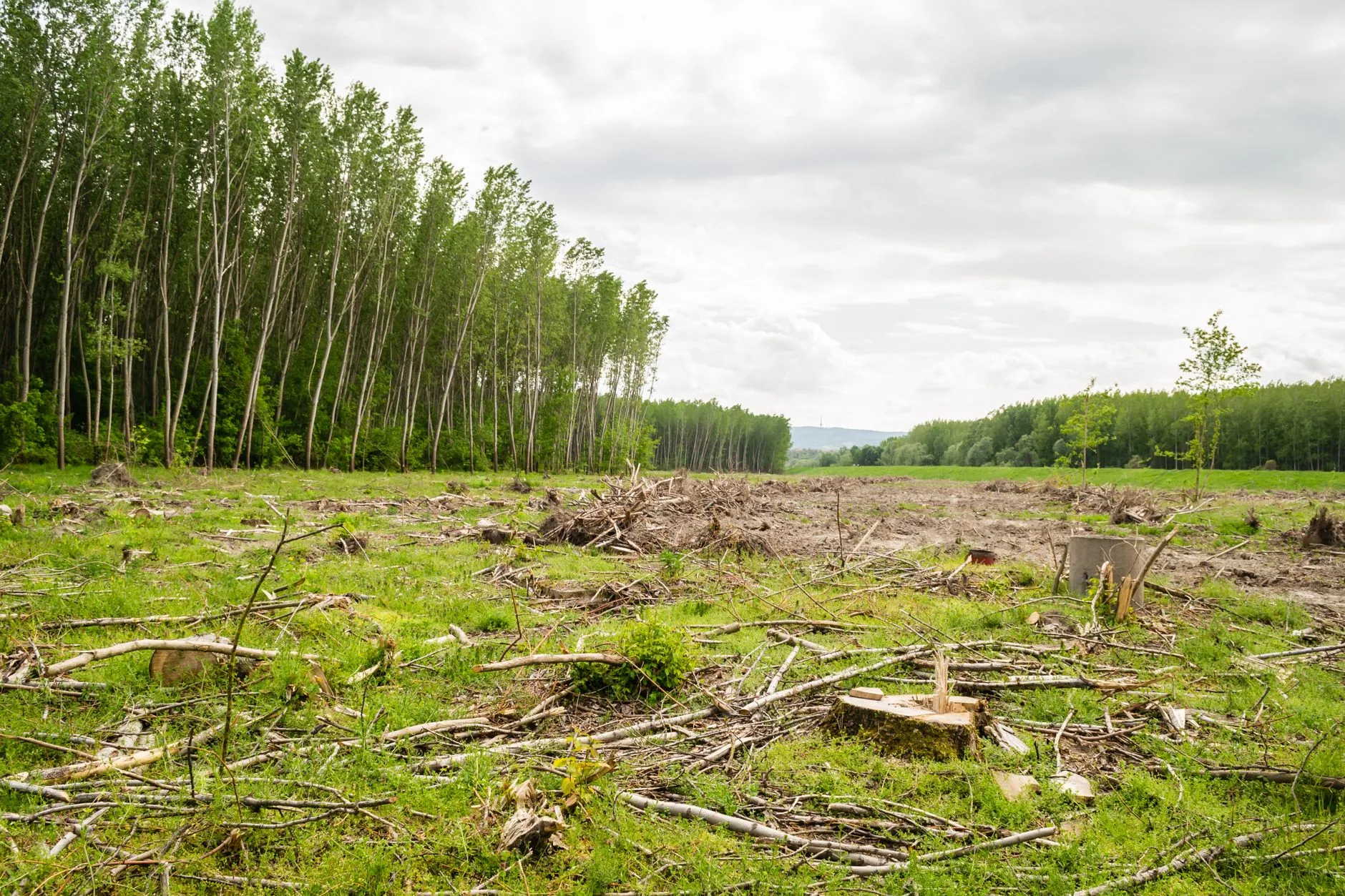
Land conversion turns wooded acreage into open ground for crops, hay or grazing. It is a bigger job than reclaiming an old field, because the trees, roots and stumps are larger and the ground has never been worked as a field.
Converted land has to be cleared with the end use in mind. Cropland needs the cleanest ground, with roots and stumps handled so tillage and planting equipment can work it. Hayfields need a smooth surface for mowing and baling. Land headed for grazing may keep scattered shade trees, which is covered in more detail on the pasture development page.
Conversion is also a good time to plan how the whole farm will function. Farm roads, gates, field access and drainage are easier to plan before the woods come down. Badland's access road clearing work can open a route to new fields as part of the same job.
What Affects the Cost of Agricultural Clearing
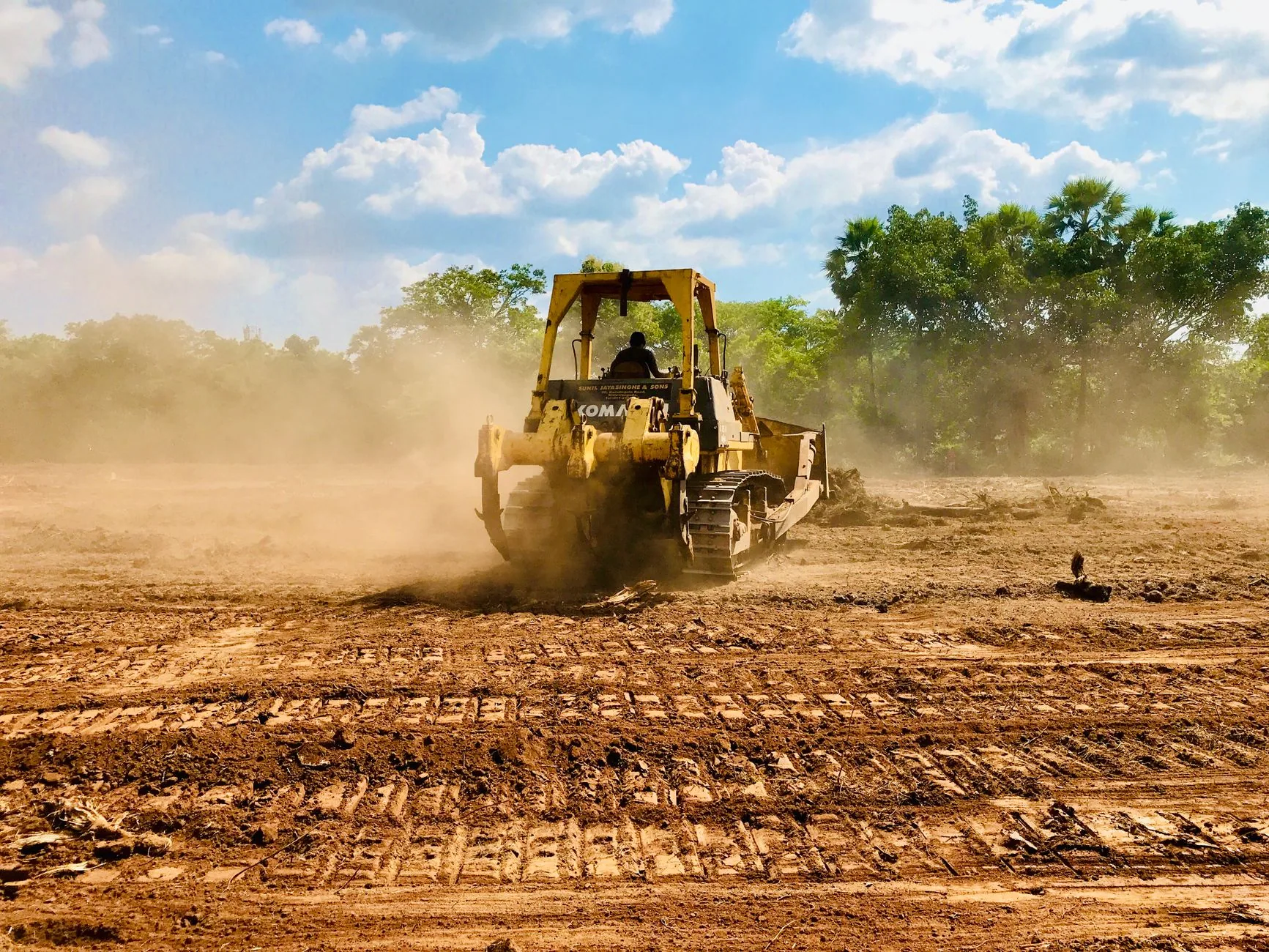
Agricultural clearing costs depend on what is growing on the land and how clean the finished ground needs to be. Reclaiming a field that grew up in brush is a different job from converting mature woods to cropland. Every estimate is free and starts with a walk across the land. The main cost factors are:
- Acres to be cleared and the size and density of what grows there
- Whether the job is reclaiming old fields or converting woods
- How clean the ground must be for your crops and equipment
- Wet areas, ditches and drainage across the fields
- Access for equipment from roads and existing fields
- How cleared trees, roots and brush are handled afterward
Why Farmers Choose Badland, LLC
Badland, LLC works with farmers, ranchers and acreage owners, and agricultural use is part of how the company plans every property. With 9 years of industry experience, Badland understands that cleared farmland has to be judged by how it works under equipment, not just how it looks.
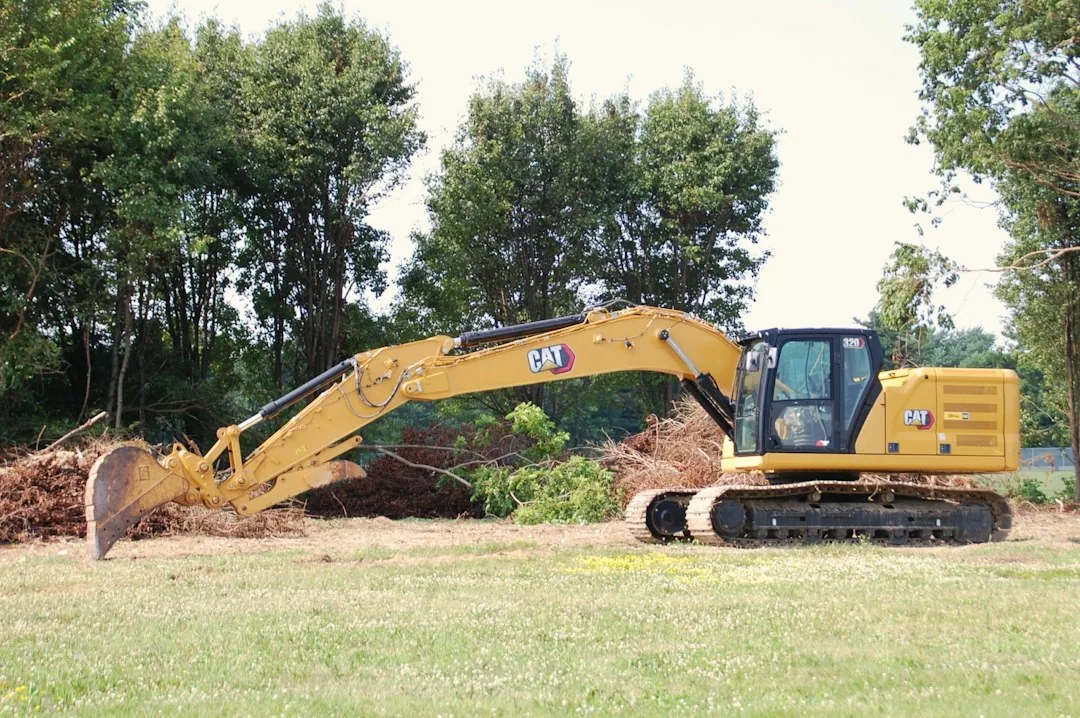
The crew communicates clearly, shows up prepared and completes the agreed scope with care. When the season is pressing, you can count on knowing what will be cleared and how the ground will be left. Specialized equipment and experienced operations let the crew clear efficiently while limiting unnecessary impact on the soil and surrounding land.
Farm projects often connect to other work on the property, from tree clearing on wooded acreage to fire breaks along woodland edges. All of it is part of Badland's land clearing services.

Farm Clearing Across Clarendon, Williamsburg and Sumter Counties
Farming is part of daily life across the rural counties Badland serves. From its base in Manning, the crew clears farm ground in Clarendon County, Williamsburg County and Sumter County, from small family fields to larger operations. Agricultural land clearing in Manning, SC, and across these counties is planned around your crop calendar, so the ground is ready when you need it.
Agricultural land clearing in Manning, SC, and around Alcolu is covered on the page for land clearing in Manning. Farms to the east are covered under agricultural land clearing in Williamsburg County. The crew also clears fields around Summerton and Santee, including Elloree and Eutawville. Call Monday to Saturday, 8 AM to 5 PM, to set up a visit to your fields.
Farm Clearing Questions
Can overgrown farmland be brought back into production?
Yes, in most cases. Land that was farmed before usually has workable soil and field lines that reappear once the brush and young trees are cleared. Reclaiming it means removing the overgrowth, handling roots that would catch on equipment and reopening field edges. Ground that sat idle for many years may take more work, but it is often easier to reclaim than converting woods.
How clean does the ground need to be for crops?
Cropland needs the cleanest ground of any farm use, because tillage, planting and harvest equipment all run close to the soil. Roots and stumps left in the field can damage equipment and slow every pass. Hayfields and pasture can usually tolerate a little more, so the level of cleanup is planned around what you will grow.
Should I keep any trees when clearing farmland?
Often, yes. Trees along a field border can serve as a windbreak, give livestock shade or provide a wildlife edge. Single trees in the middle of a crop field usually cost more in lost time than they are worth. The crew walks the field with you and agrees on which trees stay before any work begins.
Is it better to reclaim an old field or clear new woods?
Reclaiming an old field is usually the simpler and less costly choice, because the ground was farmed before and the trees are younger and smaller. Clearing mature woods for new farmland is a bigger job with larger roots and stumps. If you have both options, the crew can look at each and help you weigh what fits your plans and budget.
Can field expansion be done without disrupting my current crops?
Yes, with good planning. Clearing next to an active field can be scheduled around planting and harvest, and equipment access can be routed to stay off growing crops. Share your crop schedule during the estimate visit, and the work will be planned so the expansion is ready without getting in the way of the season you already have.
Free Estimates
Put More of Your Farm to Work
Every acre lost to brush is an acre that is not producing. Walk your fields with the Badland crew, explain what you want to grow, and get a clear, written scope for bringing that ground back at no cost. Call Monday to Saturday, 8 AM to 5 PM, or send a request for your free estimate.