Habitat Management
Food Plot Installation in Manning, SC
Badland, LLC handles food plot installation in Manning, SC, choosing, clearing and shaping plot sites that fit how deer, turkey and quail use your land. Call (803) 468-8836 for a free estimate.
Signs Your Property Needs Better Plot Sites
A food plot only works if wildlife can find it, feel safe using it and keep feeding there through the season. Plots on many properties in Clarendon and Sumter Counties fall short for the same few reasons, and most of them trace back to where and how the ground was prepared.
- Plots tucked under overhanging trees that shade out the crop
- Openings too small, or too exposed, for deer to use in daylight
- Stumps, roots and debris that keep equipment from working the soil
- No access lane for a tractor, a truck or a quiet walk to the stand
- Low spots that hold water after a heavy rain
When a plot struggles year after year, a new seed blend rarely fixes it. The site itself usually needs work first, and that work is where the company starts.
From Woods to Plot
How Food Plot Preparation Works
Food plot preparation starts long before anything is planted. The heavy work of choosing the site, clearing it and getting the ground ready decides how well a plot performs for years afterward.
- Topsoil
Choosing the Site
The Badland, LLC crew walks the property with you and looks at sunlight, drainage, soil, access and how deer and turkey already move across the land. A good site sits where wildlife can reach it from cover and where you can hunt it without being seen.
- Subsoil
Clearing the Opening
Specialized equipment removes trees, brush and stumps from the plot area and from the lane leading to it. Desirable trees around the edge can stay to give the opening shape and nearby cover.
- Red clay
Shaping the Ground
Debris is cleared, the ground is smoothed and the opening is shaped so it can be worked with farm equipment. Curving edges and irregular shapes often make a plot feel safer to deer than a straight rectangle.
- Solid ground
Reviewing the Finished Site
The crew walks the finished plot with you, including its access, its edges and how it fits the rest of the property, so the site is ready for planting and for seasons of use.
Deer Food Plots That Hold Deer on Your Land
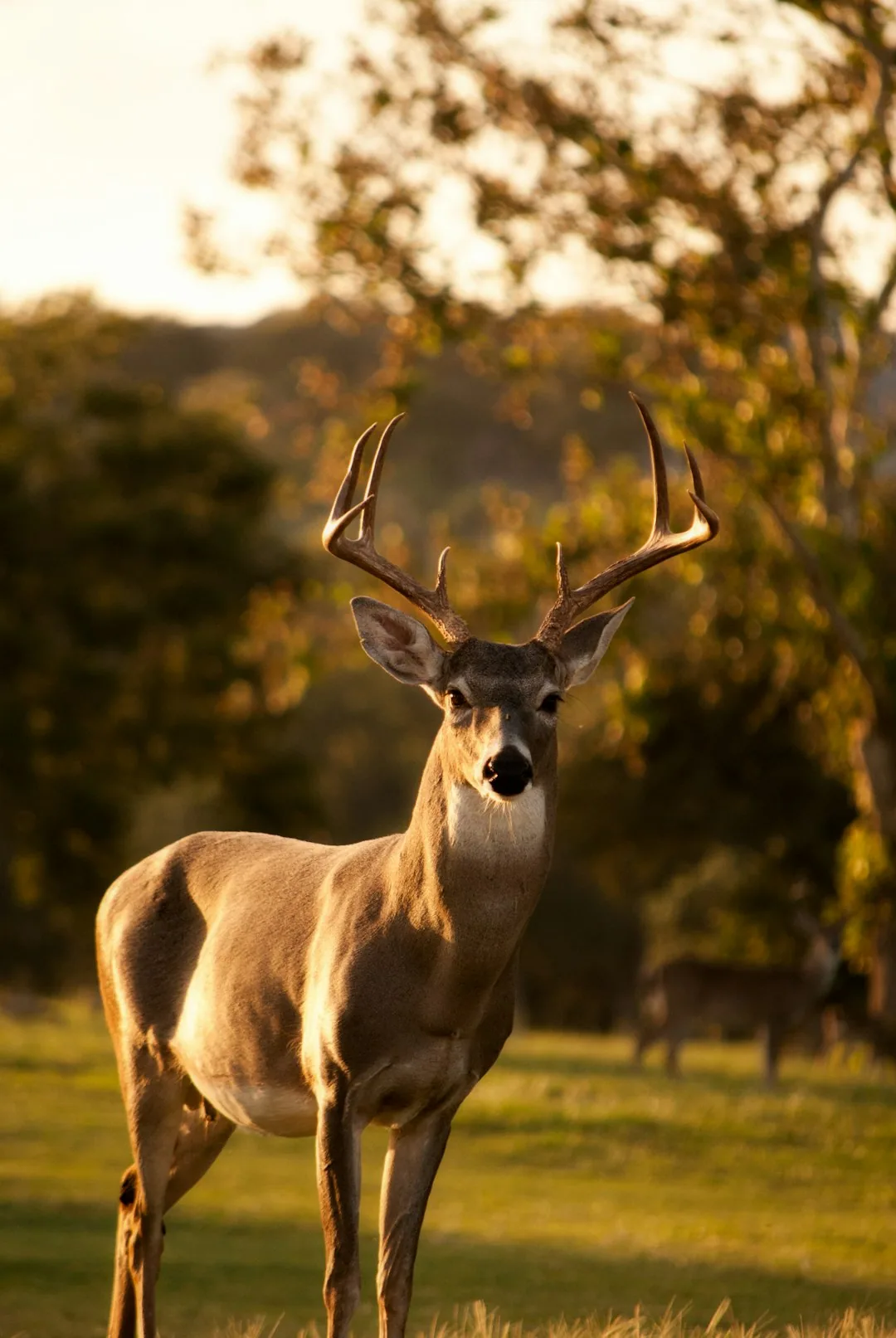
Deer food plots work best as part of a larger plan. Deer spend much of the day in thick bedding cover and step into openings to feed, usually near dawn and dusk. A plot placed close to bedding cover, with a screened approach for the hunter, is more likely to see deer in daylight than an open field beside a road.
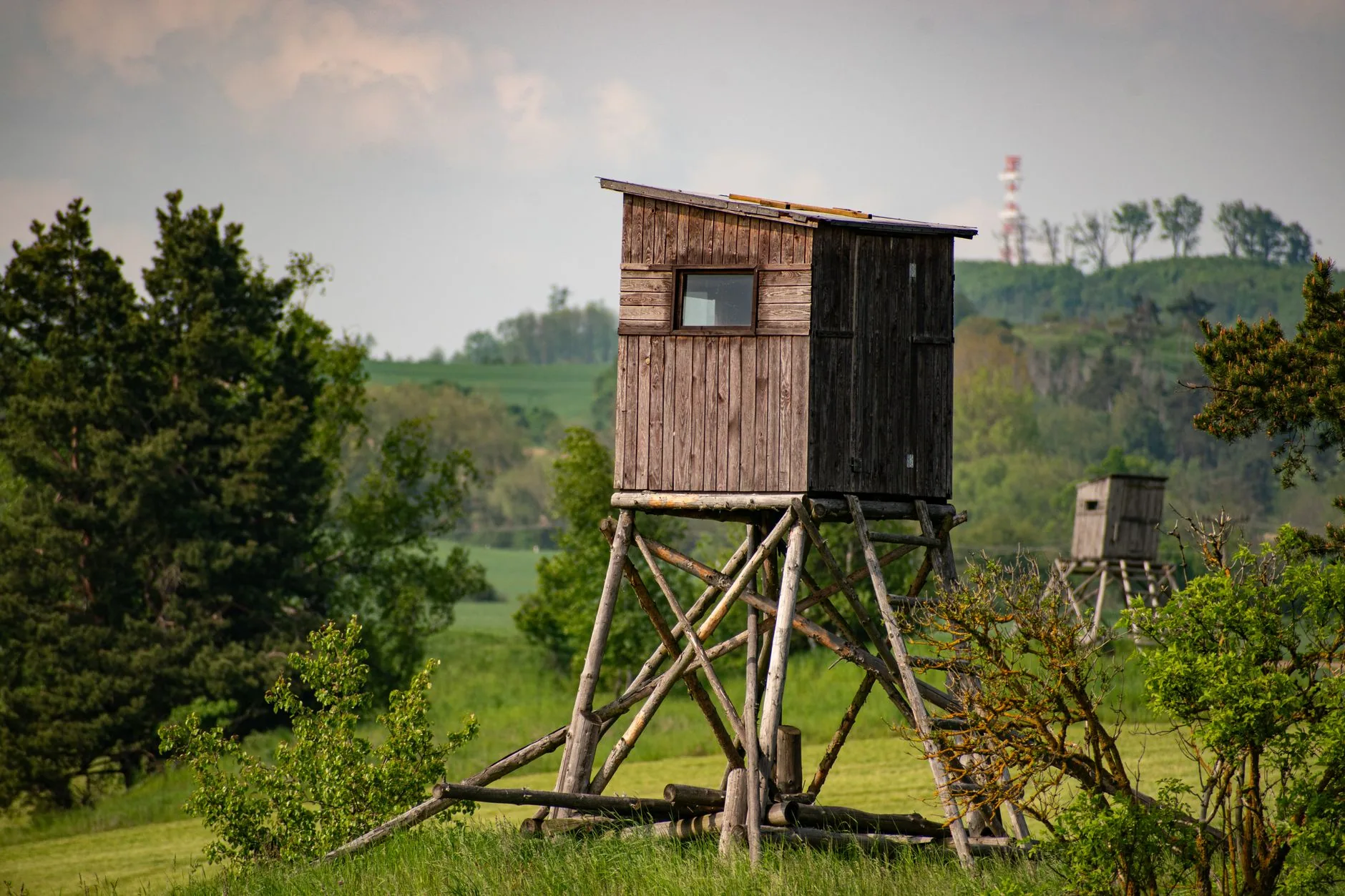
Size and shape matter too. Smaller, irregular openings tucked into the woods often suit bowhunting and give mature deer confidence, while larger fields can carry more forage through the season and suit a box stand with a long view. Many properties benefit from a mix of both. Spreading several plots across a tract also spreads hunting pressure, so no single stand gets overused.
Will Barwick, the owner of Badland, LLC, learned this work on his own land. At Crooked Pine Farms, his 300 acre hunting property, eight years of habitat improvements saw deer, turkey and quail populations quadruple, and prospective customers can tour the property to see that work in person.
Plot Sites for Turkey and Quail
Turkey and quail use openings differently from deer. Turkey hens bring young poults to open, low ground where insects are easy to catch, and gobblers strut in the open where they can see a long way. Long, narrow openings with grassy edges serve both needs.
Quail need feeding areas close to brushy escape cover, because they rarely stray far from it. Plot edges that fade into weeds and shrubs, rather than ending at a wall of timber, give birds the cover they need to use the opening.
A plan that serves all three species places openings and edges to work together across the property, so one round of clearing feeds deer, turkey and quail at the same time. That kind of layout reflects the habitat background the company was built on.
What Affects the Cost of a Food Plot
Pricing for food plot installation in Manning, SC follows a free estimate on site, because every property is different. The biggest factor is what stands on the plot site today: reopening an old field is a far smaller job than clearing a stand of mature hardwoods.
- The number and size of plots in the plan
- Tree size, brush density and the number of stumps to remove
- Distance from an existing road and the need for a new access lane
- Soil and drainage conditions at each site
- Trees and natural features to keep around the edges
Landowners can receive federal cost-share funding for habitat improvements, though the landowner is responsible for finding a contractor to do the work. Badland, LLC carries out that work, and the program alone decides what qualifies and who is approved.
Why Badland, LLC
Why Hunters Trust Badland, LLC for Food Plot Services

Badland, LLC brings 9 years of industry experience and specialized equipment to food plot services across the area. The work is precise by design: plots are placed with purpose, cleared without tearing up the surrounding woods and shaped around the trees and natural features worth keeping.
The company's roots are in habitat. Will has followed wild turkeys for 25 years and built the business after restoring habitat on his own hunting land, so plot placement is planned with the eye of a landowner who manages the same kind of ground you do.
Clear communication and dependable scheduling round it out. You know the plan before work starts, and the crew shows up prepared to complete the agreed scope with care.

Food Plot Installation in Manning, SC and Surrounding Counties
Based in Manning, Badland, LLC provides food plot installation in Manning, SC and across Clarendon, Sumter and Williamsburg Counties. Farm and hunting land around Sumter and Wedgefield, wooded tracts near Summerton, properties around Santee and Holly Hill and acreage near Eastover are all within reach. Plot sites in sandy ground drain differently from those in heavier soil or low bottoms, which is one more reason every site is seen in person first.
Food plot installation in Manning, SC is rarely a standalone project. They work best alongside wildlife habitat improvement that adds cover and edges, and many owners pair new plots with hunting property improvements such as stand access and shooting lanes. Both belong to the company's habitat management services, so one crew can carry the whole plan. Wherever your land sits, the work starts with a walk of the property and a free estimate.
Food Plot Installation Questions
How big should a food plot be?
There is no single right size. Small, hidden plots of a fraction of an acre up to an acre often suit bowhunting and mature deer, while larger plots can feed more animals through the season. The shape of the land, the amount of cover nearby and how you plan to hunt decide the size during the property walk.
Does a food plot need full sun?
Most plot crops grow best with plenty of direct sunlight, so plots under heavy shade often struggle. During site selection the crew looks at how tall the surrounding trees are and which way the opening faces. Where shade is a problem, widening the opening or removing a few edge trees can let more light reach the ground.
Can a food plot be cleared out of thick woods?
Yes. Turning a wooded spot into a plot means removing trees, brush and stumps, then clearing debris and smoothing the ground so it can be worked. It is more involved than reopening an old field, but it lets you put a plot exactly where deer and turkey already travel instead of where an opening happens to exist.
Should a food plot be near a road?
Usually not. A plot beside a public road or a busy farm lane sees more disturbance, and deer often wait until dark to use it. Placing plots back from roads, with a quiet access route for the hunter and screening cover along the edge, gives wildlife more reason to feed there during legal shooting hours.
How far ahead of planting should a plot site be cleared?
Clearing well ahead of planting season leaves time for the ground to be worked, tested and amended before seed goes in. Wet months can also slow heavy clearing on soft ground. Planning the work a season ahead gives the most flexibility, and a free estimate is the first step toward a schedule that fits your planting plans.
Free Estimates
Plan Your Next Plot Site
A plot in the right place, cleared the right way, can serve your property for many seasons. Call Badland, LLC at (803) 468-8836, Monday to Saturday, 8 AM to 5 PM, and schedule a free estimate and a walk of the sites you have in mind.