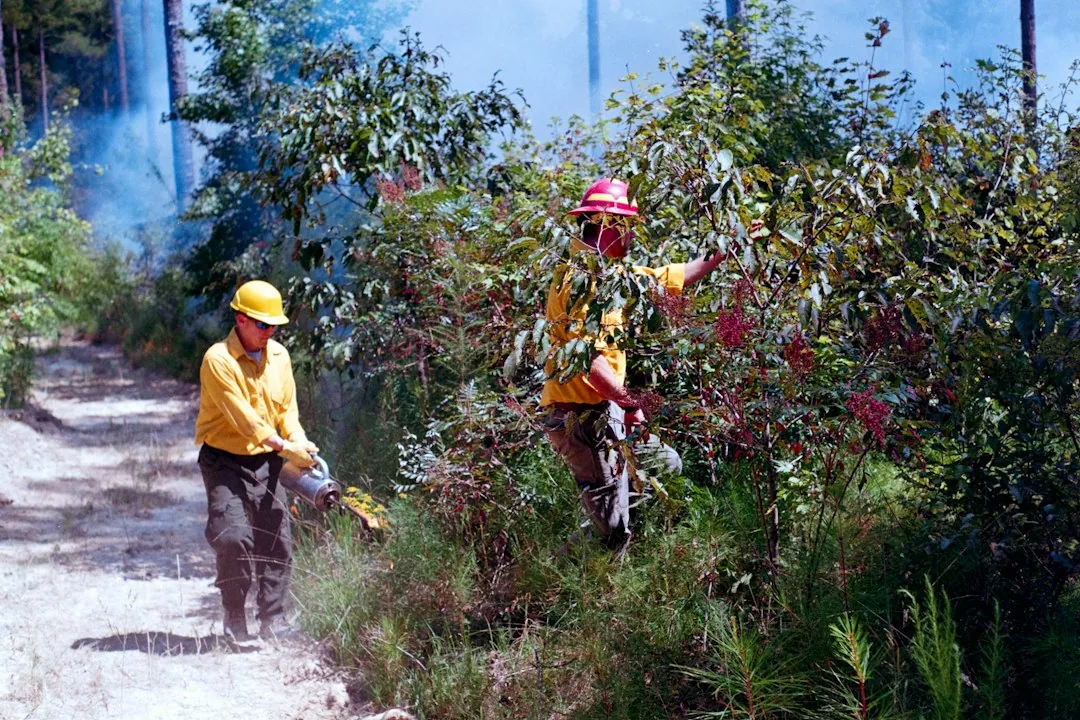
Fire Protection
Fire Break Clearing in Manning, SC for Woods, Homes and Hunting Land
Badland, LLC provides fire break clearing in Manning, SC, cutting fire lanes around woodland, home sites, farms and hunting property to help slow a fire and protect what matters. Call (803) 468-8836 for a free estimate.
Signs Your Property Needs Fire Break Clearing in Manning, SC
Wooded land with heavy undergrowth carries a lot of fuel. Pine straw, dead limbs, brush and young trees build up year after year until a fire, once started, has an easy path to spread. Fire break clearing in Manning, SC, breaks up that path with strips of cleared ground. Landowners usually ask about fire breaks when:
- Thick brush and pine stands grow right up to a home, barn or equipment shed.
- A timber stand has no cleared boundary between it and a neighbor's land.
- Old fire lanes have grown back over and no longer stop anything.
- Hunting property has cabins, stands or equipment surrounded by dense woods.
- Large wooded tracts have no internal lanes for access in an emergency.
What to Expect
The Firebreak Installation Process
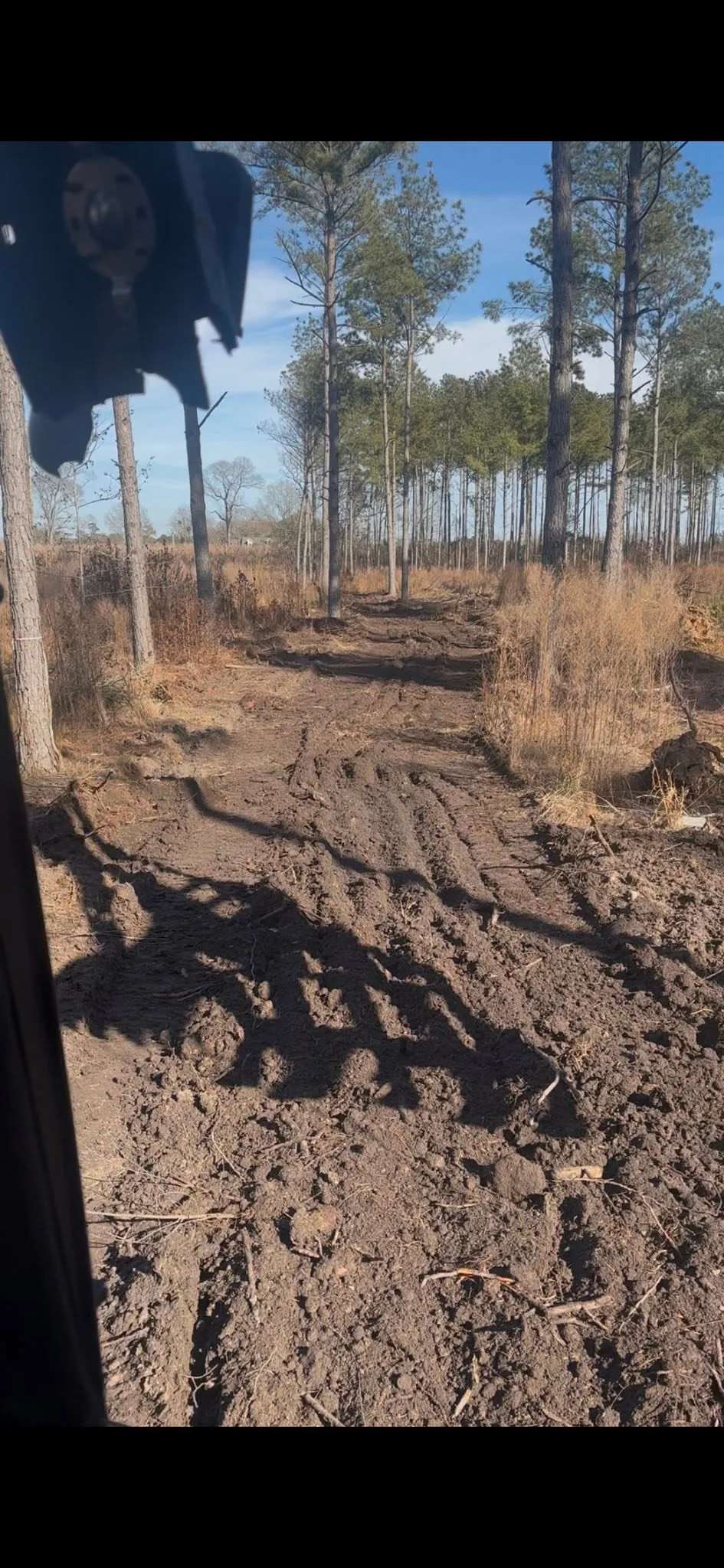
Firebreak installation starts with understanding what the break needs to protect and where fire is most likely to travel across your land. A break around a home is planned differently from one that divides a large timber tract. Each step of the process ties the finished break to that purpose.
- Topsoil
Map the Property
The Badland, LLC crew walks the property with you and looks at the woods, the buildings, roads, fields and boundaries. Together you decide where breaks will do the most good and how wide each one should be.
- Subsoil
Plan the Routes
Fire break routes are planned to connect with roads, fields and other open ground where possible, so the breaks form a connected system instead of isolated strips.
- Red clay
Clear the Lanes
The crew clears the agreed routes of brush, small trees and woody fuel, working around trees and features you want to keep. Specialized equipment lets the crew open long lanes efficiently.
- Solid ground
Review the Breaks
When the work is complete, the crew walks or drives the breaks with you so you can see the routes, check the widths and confirm the system matches the plan.
Perimeter Fire Breaks Around Woodland and Boundaries
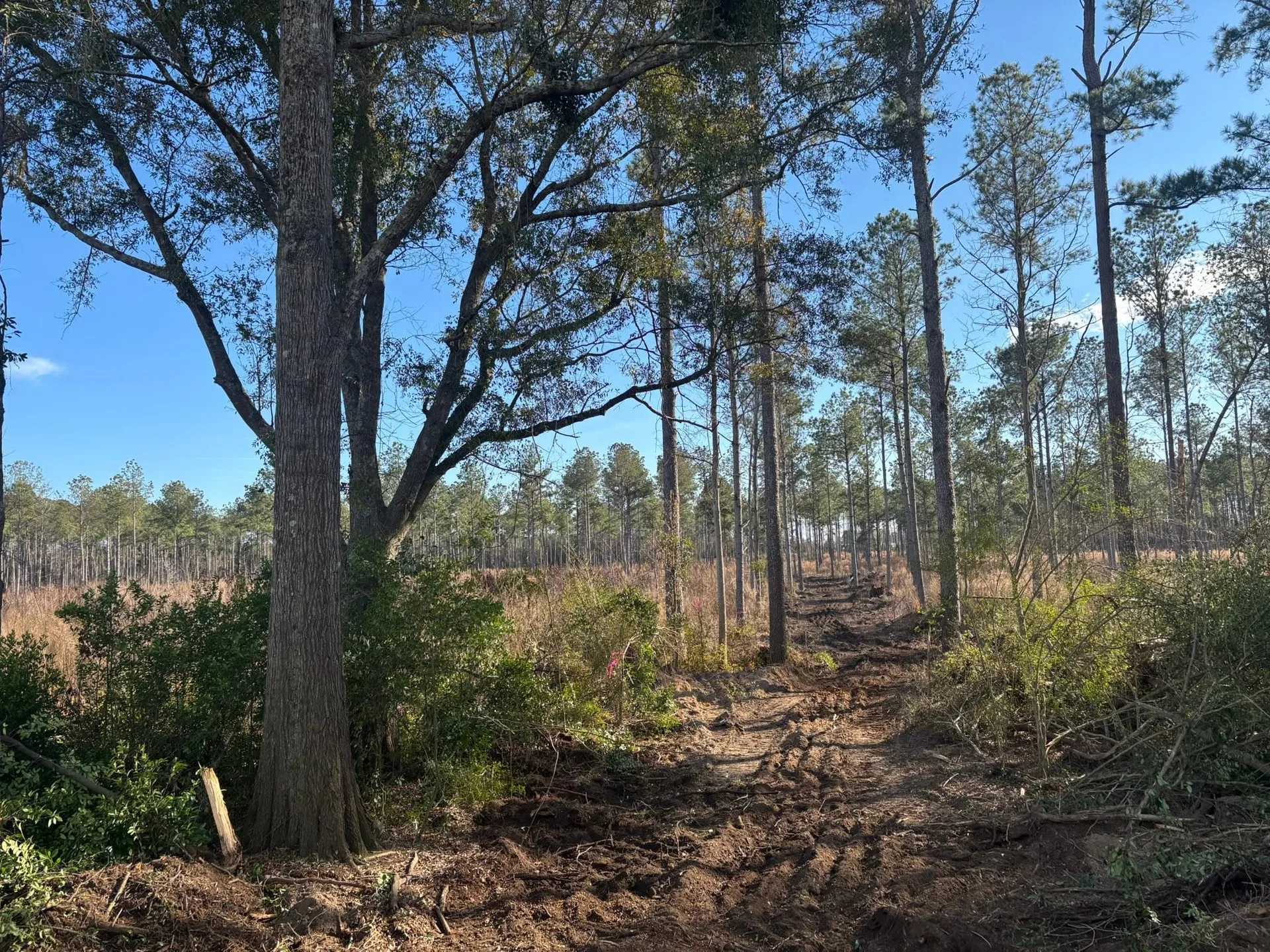
A perimeter fire break runs around the outside of a wooded tract or along a property boundary. It gives a fire coming from a neighboring property a gap to cross, and it gives a fire starting on your land a line to stop at before reaching the next tract.
Perimeter breaks are a common part of managing pine stands and larger wooded properties. They also mark your boundary clearly, which makes it easier to walk your lines, spot problems and keep track of your land. Many owners find that a well placed perimeter break doubles as a useful trail around the property.
Width and placement depend on the stand, the terrain and what lies on the other side of the line. Routes are planned to tie into roads and fields where possible, because a break that connects to other open ground works better than one that ends in the middle of the woods.
Fire Lane Clearing Inside Larger Tracts
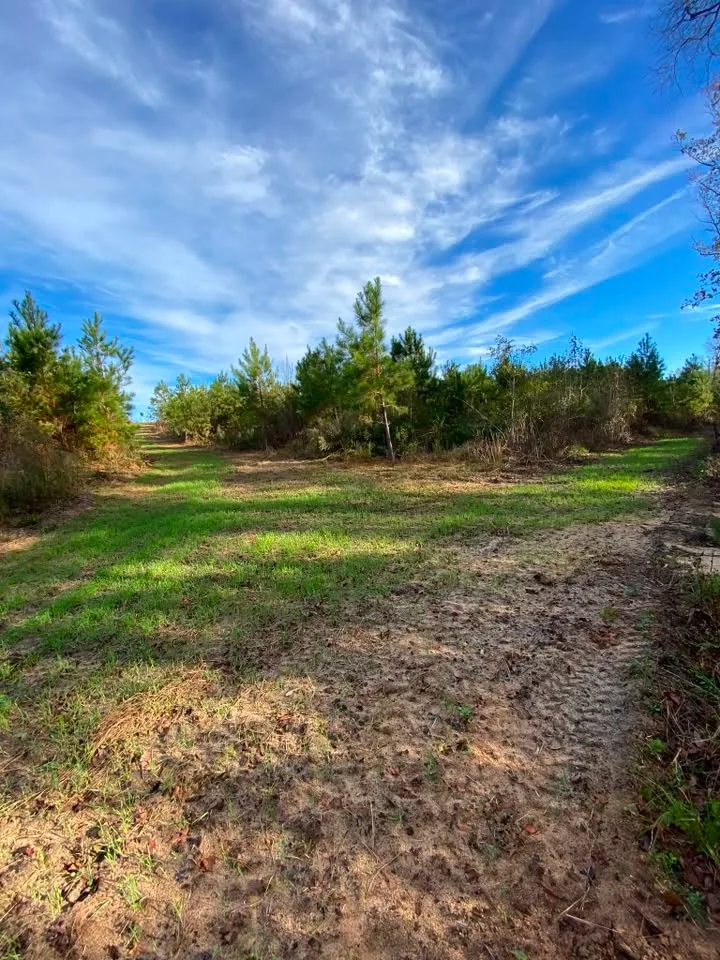
Fire lane clearing inside a tract divides a large block of woods into smaller sections. If a fire starts, internal lanes help keep it in one part of the property instead of letting it run through the whole stand.
Internal lanes also give access. A tract crossed by cleared lanes is easier to reach with trucks, tractors and side by side vehicles, whether you are checking timber, working on wildlife habitat or responding to a problem. On hunting land, the same lanes often serve as travel routes to stands and food plots.
That second use is part of why fire lanes fit so well into Badland's habitat work. Open lanes can grow the kind of low cover and forage that wildlife use, and they can link to the openings described on the wildlife habitat improvement page. Internal lanes are planned with both protection and land use in mind.
Wildfire Fuel Reduction Around Homes and Buildings
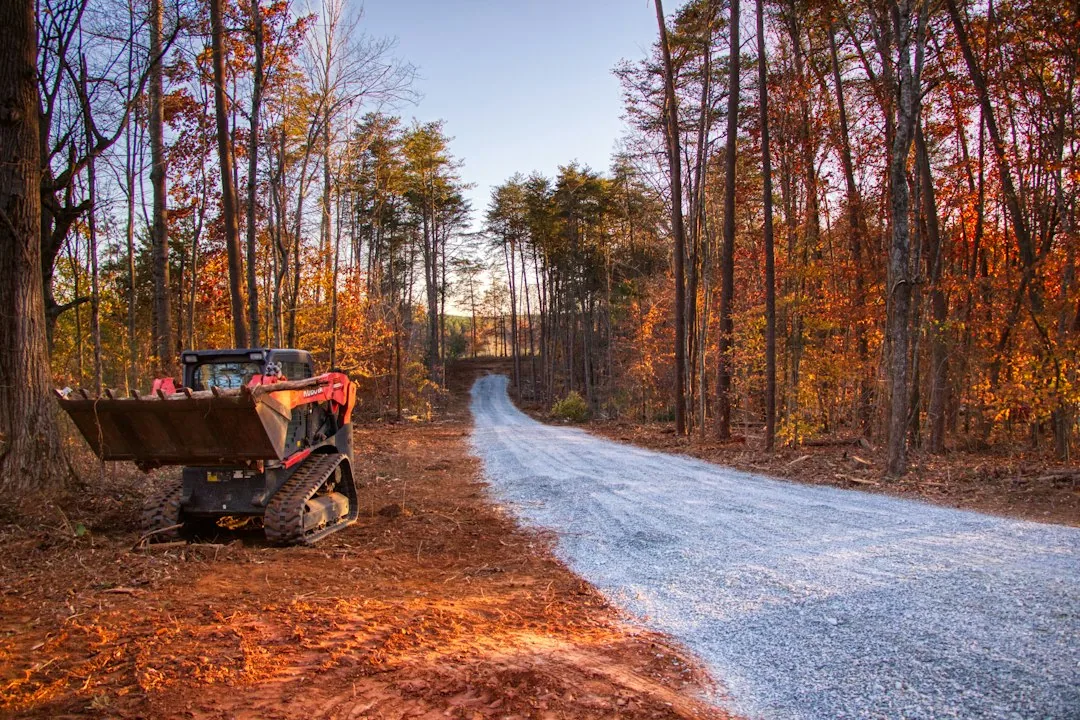
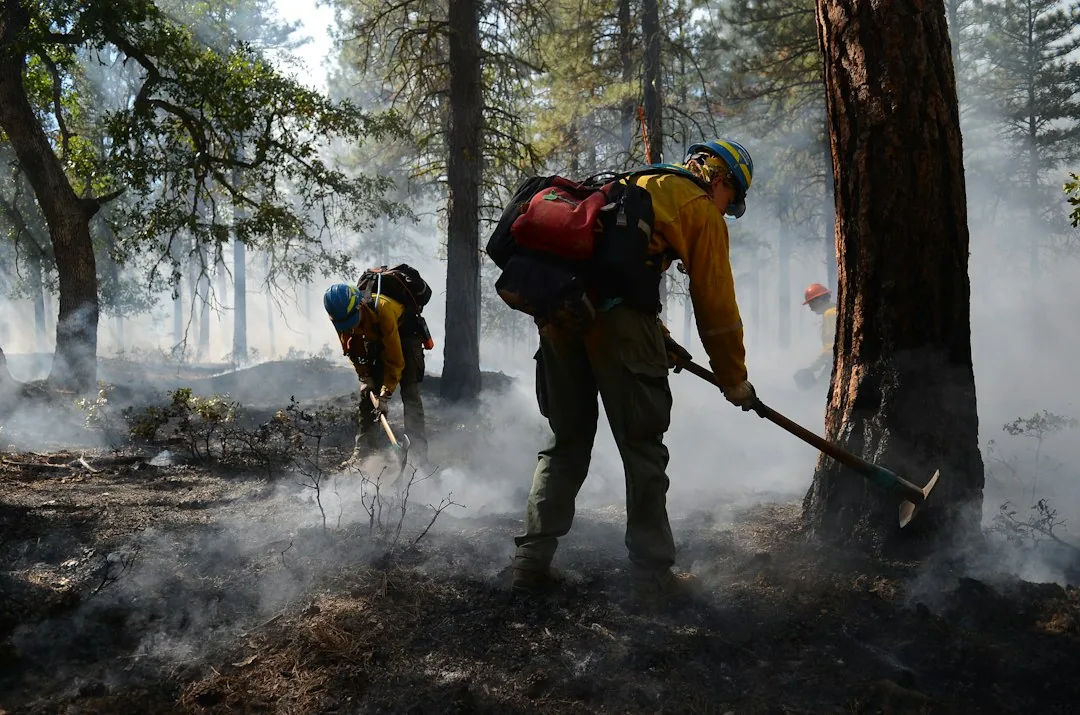
Wildfire fuel reduction lowers the amount of brush, dead material and small trees near the places you care about most. Around a home in the woods, a barn or a hunting cabin, clearing back the thickest growth can make a real difference in how a fire behaves near the building.
Fuel reduction is not the same as clearing every tree. The goal is to remove the brush, the low limbs and the crowded young trees that let fire climb and spread, while keeping healthy trees spaced farther apart. A home can stay shaded and private while the ground around it carries far less fuel.
Fuel reduction is planned around how the home or building is used, where the driveway runs and which trees you value. Fuel reduction near structures often pairs well with tree clearing that thins the surrounding woods.
What Affects the Cost of Fire Break Work
Fire break cost depends on how many lanes you need, how long and wide they are and what is growing along their routes. Clearing an old break that has grown back is often simpler than opening a new one through mature woods. The estimate is free and starts with walking the property.
Larger systems can be broken into stages, starting with the breaks that protect buildings first. The main factors are:
- The total length and width of the breaks
- The size and density of trees and brush along each route
- Whether the work opens new lanes or reclears old ones
- Terrain, wet areas and creek crossings along the routes
- Fuel reduction work around homes and buildings
- Access to the routes from roads and fields
Why Landowners Choose Badland, LLC for Fire Breaks
Badland, LLC brings 9 years of industry experience and a property-focused approach to fire break work. Reducing fire hazards is one of the ways Badland helps owners improve the usability and value of their land, and breaks are planned with the rest of the property in mind.
The company's roots are in habitat work for wildlife, so it understands how fire lanes, openings and woods fit together on a hunting tract or a working timber stand. The crew communicates clearly, shows up prepared and completes the agreed scope with care. Specialized equipment and experienced operations let the crew open long lanes efficiently while keeping unnecessary impact on the surrounding woods low. Fire breaks are part of Badland's full range of land clearing services, which also covers the roads and clearing that connect them.

Fire Break Clearing Across the Service Area
Badland clears fire breaks across Clarendon County, Sumter County and Williamsburg County from its base in Manning. Pine stands, mixed woods and hunting tracts are common throughout this area, and many of them benefit from a planned system of breaks. Fire break clearing in Manning, SC, and the surrounding counties is planned around each tract's woods, buildings and boundaries, never a standard layout copied from another property.
Fire break clearing in Manning, SC, and around Alcolu is covered on the page for land clearing in Manning. The crew also clears breaks on timber land in Williamsburg County, on hunting tracts around Summerton, and on wooded property near Sumter and Wedgefield. Call Monday to Saturday, 8 AM to 5 PM.
Fire Break Questions From Landowners
How wide should a fire break be?
The right width depends on the type of woods, the amount of fuel and what the break is meant to protect. A break around a home or along a heavy pine stand usually needs more width than a lane through lighter woods. The crew looks at each route on the ground and agrees on widths with you before any clearing begins.
Do fire breaks need upkeep after they are cleared?
Yes. Cleared ground in South Carolina grows back, and a fire break full of new brush and saplings loses much of its value. Breaks should be checked regularly and recleared as growth returns. Planning breaks along routes you will actually drive or walk makes it easier to notice when one needs attention.
Can fire breaks also be used as roads or trails?
Often, yes. A well planned fire break can double as a trail for trucks, tractors or side by side vehicles, giving you access to stands, fields and the back of your property. On hunting land, breaks often serve as travel lanes. Planning breaks with access in mind makes them more useful and more likely to be kept open over time.
Where should fire breaks go on a hunting property?
On hunting land, fire breaks usually belong along boundaries, around cabins and equipment, and between large blocks of woods. Routes can be planned to connect stands, food plots and openings, so the same lanes protect the property and make it easier to hunt. The crew walks the land with you to fit breaks into how you already use the property.
What is the difference between a fire break and fuel reduction?
A fire break is a strip of cleared ground that gives fire a gap to cross. Fuel reduction thins the brush, low limbs and small trees across a wider area, often around a home or building, so a fire there has less to burn. Many properties benefit from both: breaks along boundaries and fuel reduction near structures.
Free Estimates
Protect Your Woods Before Fire Season
A fire break is far easier to put in before it is needed. Walk your property with the Badland crew, point out what you want protected, and get a clear plan for breaks and fuel reduction at no cost. Call Monday to Saturday, 8 AM to 5 PM, or send a request for your free estimate.