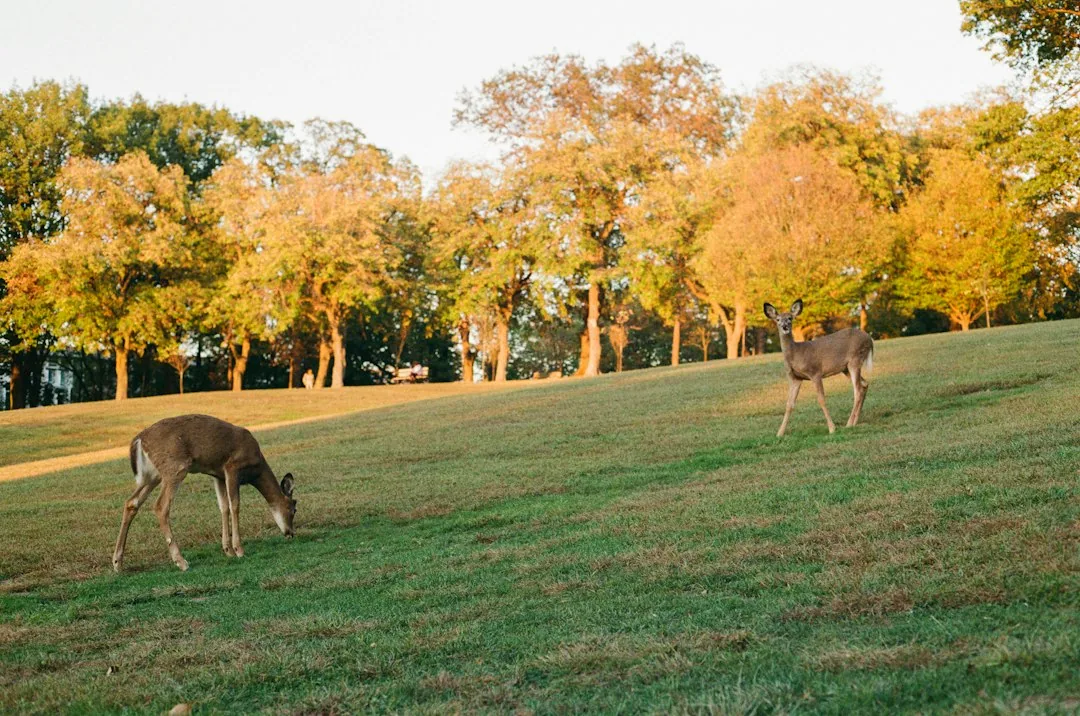
Habitat Management
Wildlife Habitat Improvement in Manning, SC
Badland, LLC handles wildlife habitat improvement in Manning, SC, reshaping cover, openings and edges so turkey, deer and quail get more use from your land. Call (803) 468-8836 for a free estimate.
Signs Your Land Needs Wildlife Habitat Improvement
Most tracts in Clarendon, Sumter and Williamsburg Counties were never laid out with wildlife in mind. Timber stands close their canopy, old fields grow up in brush, and the open ground that birds and deer depend on slowly disappears. A few signs show up again and again on properties that need work:
- Closed timber where little sunlight reaches the ground and almost nothing grows underneath
- Old fields and cutovers choked with thick brush, briars and young pines
- Few open, grassy areas where turkey hens can raise poults or quail can feed
- Hard edges between woods and fields instead of a soft band of shrubs and grasses
- Deer and turkey sign that mostly shows up on the neighbor's side of the line
None of these problems fixes itself. Left alone, cover gets thicker and less useful every year, which is why improving habitat starts with changing the structure of the land, not with a bag of seed.
How the Work Goes
The Habitat Improvement Process
Every habitat project starts on the ground, walking the property with the landowner. What turns up on that walk, along with what you want to hunt and how you use the land, shapes a plan built for that tract rather than a template applied to every acre.
- Topsoil
Property Walk and Goals
The Badland, LLC crew walks the tract with you and looks at timber, openings, wet areas, access and the trees worth keeping. Then the conversation turns to your goals for turkey, deer or quail and how you hunt and use the property.
- Subsoil
A Plan for the Tract
From that walk, the crew lays out where to open the canopy, where to create or widen openings, where fire breaks and access lanes belong and which features to protect. If you are working with a federal cost-share program, the plan follows the practices it calls for.
- Red clay
Clearing and Shaping
Specialized equipment removes unwanted brush, thins crowded stands and shapes openings and edges. The crew works around the trees and natural features you want to keep and limits unnecessary impact on the surrounding land.
- Solid ground
Setting You Up to Manage It
When the heavy work is done, the crew goes over how the improvements fit together and what upkeep keeps them working. The goal is a property you can manage season after season.
Building Wild Turkey Habitat on Your Property
Wild turkeys are the reason Badland, LLC exists. The company's owner has been devoted to wild turkeys for 25 years and learned to run heavy equipment to restore turkey habitat on his own 300 acre hunting property, Crooked Pine Farms. Turkey habitat management is still the work closest to the business.
Turkeys need a mix of places through the year: open, grassy ground where hens bring poults to feed on insects, mature trees for roosting and travel routes that connect the two. On many local properties, the missing piece is open ground. Thinning timber, reopening overgrown fields and softening hard edges brings that mix back without clearing the trees that make a property worth hunting.
Over eight years of improvements at Crooked Pine Farms, the owner, Will Barwick, saw turkey, deer and quail populations quadruple while predator numbers were cut in half. Every property is different and no one can promise the same numbers on yours, but the same approach guides the work on every tract the company improves.
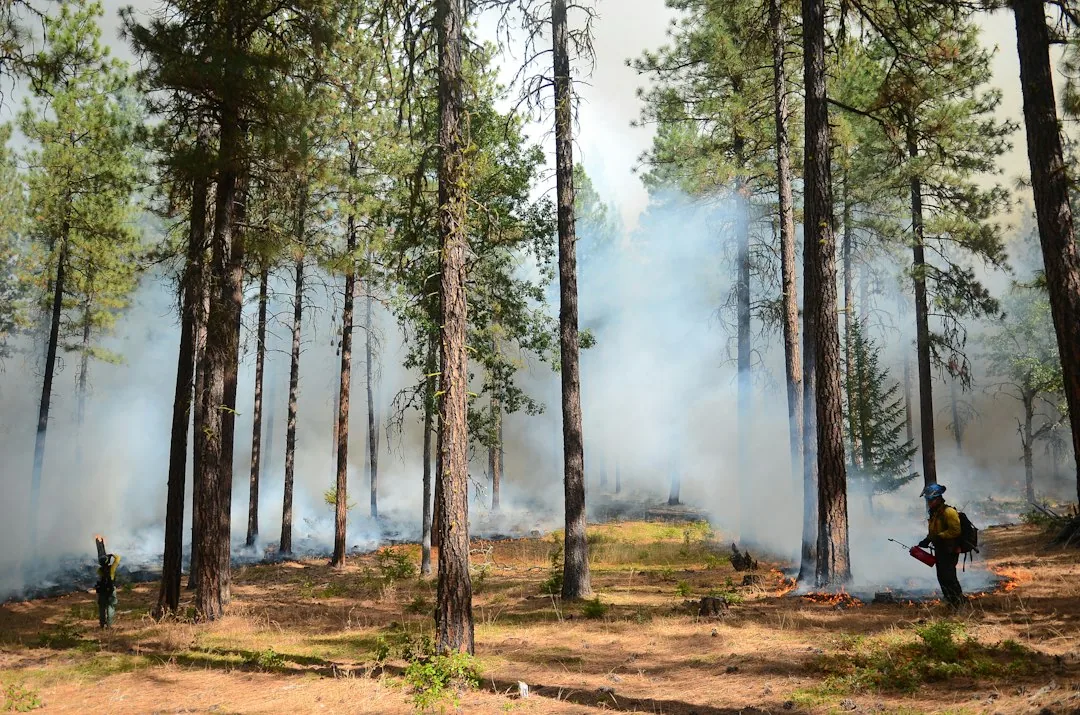
Quail Habitat and Deer Habitat Improvement
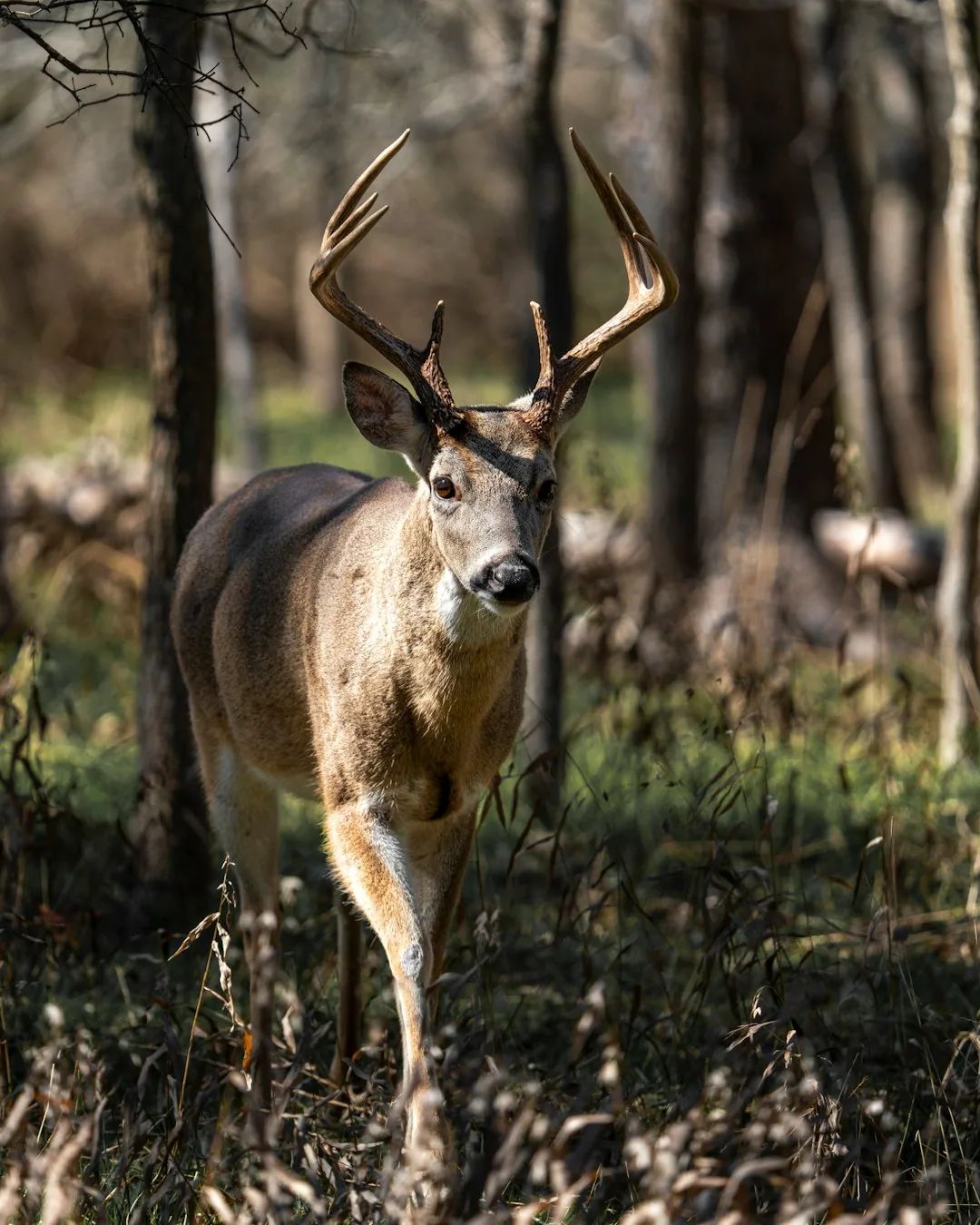
Bobwhite quail and whitetail deer use land differently, and a good plan accounts for both. Quail live close to the ground. They need bunching grasses for nesting, weedy openings for feeding and brushy cover nearby to escape hawks, all within a short walk of each other.
Deer habitat improvement usually means more browse and better cover. Opening the canopy lets sunlight reach the ground, and the young growth that follows feeds deer through much of the year. Pairing those openings with thick bedding cover and well placed food plot installation gives deer reasons to stay on your side of the property line.
Because both species benefit from the same basic changes, one round of work can serve several goals at once. Landowners who hunt turkey in spring and deer in fall often get the most from a plan that treats the whole tract as one system.
What Affects the Cost of Habitat Work
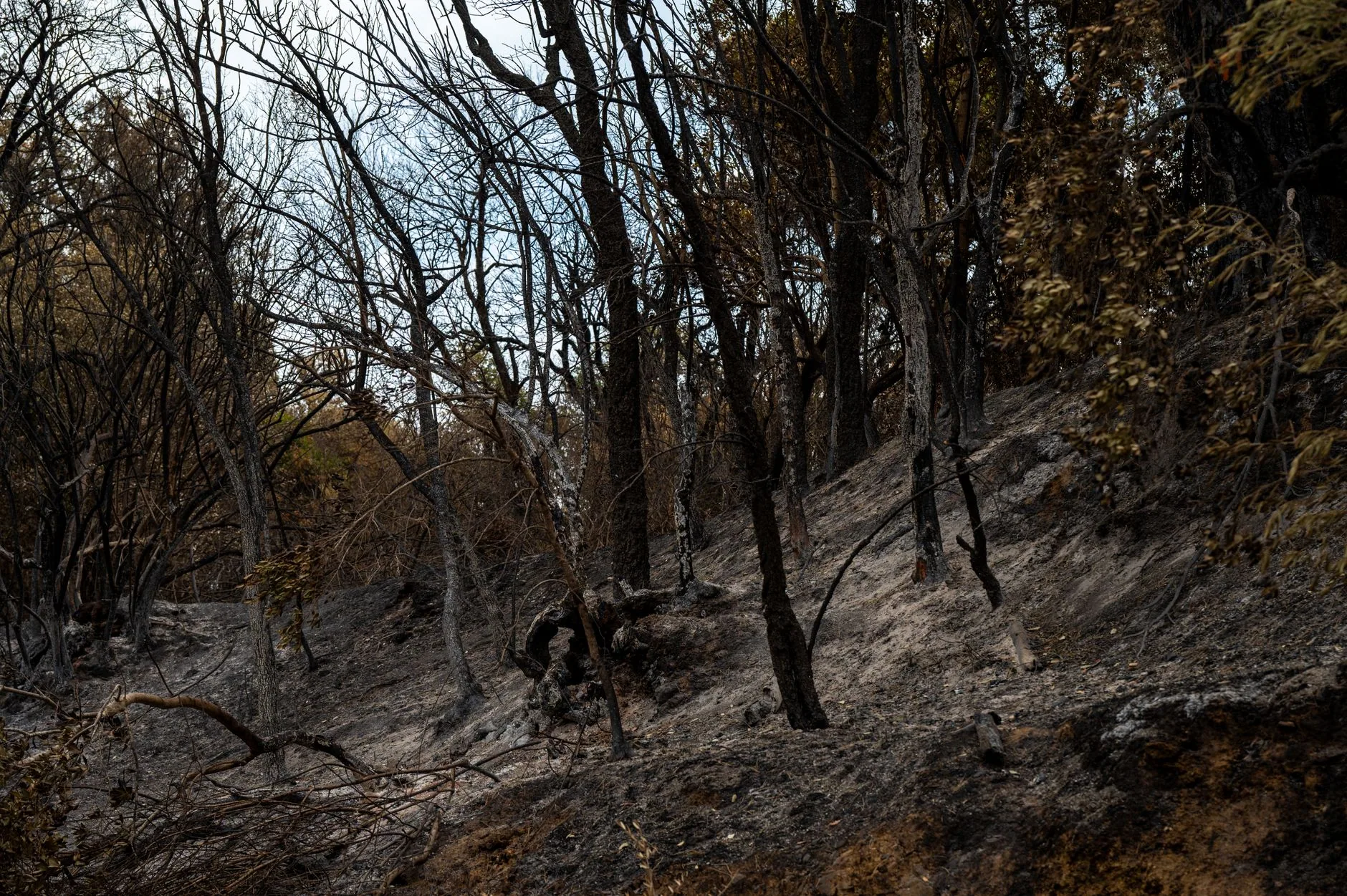
The cost of wildlife habitat improvement in Manning, SC depends on the property and the plan, so every price follows a free estimate on site. Acreage matters, but the condition of the land matters more: thinning a young pine stand is a different job from opening a field grown up in hardwood brush.
- Total acreage and how much of it needs work
- Density and size of the brush and trees being removed
- Ground conditions, wet areas and room for equipment to reach each area
- The number of openings, lanes and fire breaks in the plan
- Trees and natural features the crew must work around
Many landowners can receive federal cost-share funding for habitat improvements, but the landowner is responsible for finding a contractor to do the work. Badland, LLC carries out that work. The program alone decides eligibility and approval, so confirm the details with your program office before work starts.
Why Badland, LLC
Why Landowners Choose Badland, LLC for Habitat Work
Badland, LLC grew out of habitat work, not the other way around. Will restored his own hunting land first, and prospective customers can tour Crooked Pine Farms to see that work on the ground before they commit to anything on theirs.
The company brings 9 years of industry experience to every job, along with specialized equipment chosen to work precisely and limit unnecessary impact on the landscape. Clearing for wildlife is selective by nature. Desirable trees, wet areas and natural features are part of the plan from the first walk, never an afterthought.
Dependable service matters as much as the equipment. The crew communicates clearly, shows up prepared and completes the agreed scope with care, and the same crew can handle fire breaks and access lanes, so one contractor carries a plan from the first cut to the finished property.

Wildlife Habitat Improvement in Manning, SC and Nearby Counties
Badland, LLC provides wildlife habitat improvement in Manning, SC and on properties across Clarendon, Sumter and Williamsburg Counties. Hunting tracts around Summerton and Lake Marion, timberland near Sumter, Pinewood and Dalzell, farms and woods around Santee, Elloree and Eutawville and larger acreage in Williamsburg County all fit the work.
Closer to home, the company also works in Alcolu, Wedgefield, Holly Hill and Eastover. Wherever the property sits, the first step is the same: a walk of the land and a free estimate.
Habitat work often ties into the rest of a property plan, so many owners combine it with hunting property improvements such as shooting lanes and stand access. All of it falls under the company's habitat management services, planned together for one property.
Wildlife Habitat Improvement Questions
How long before wildlife responds to habitat improvements?
Response depends on the species, the season the work is done and the property itself, so there is no fixed timeline. New growth in opened ground can appear within a growing season, while populations change over years. At Crooked Pine Farms, Will's results came from eight years of steady improvement, which is why the work is planned for the long term.
Can you improve habitat without clearing all my timber?
Yes. Selective work is the core of habitat improvement. Instead of clearing everything, the crew thins crowded stands, opens targeted areas and shapes edges while keeping mature trees, roost trees, wet areas and other features you want to protect. Those decisions are made during the property walk, so you know which trees stay before any equipment arrives.
Do you work on projects funded by federal cost-share programs?
Yes. Landowners can receive federal cost-share funding for habitat improvements, and the landowner is responsible for finding a contractor to do the work. Badland, LLC carries out that work. The program decides eligibility and approval, so confirm your plan and its requirements with your program office, then call (803) 468-8836 to schedule a free estimate.
Can I see habitat work before hiring you?
Yes. Prospective customers can tour Crooked Pine Farms, Will's 300 acre hunting property, where years of habitat improvement for turkey, deer and quail can be seen on the ground. Walking a working property shows what opened canopy, managed edges and wildlife openings look like in person. Call (803) 468-8836 to ask about arranging a visit.
Is habitat work only for large hunting properties?
No. Habitat improvement can fit a small tract behind a home as well as several hundred acres of hunting land. The scale of the plan changes, but the questions stay the same: what wildlife you want to see, which features to keep and how you use the property. A free estimate starts with walking whatever acreage you have.
Free Estimates
Start Improving Your Wildlife Habitat
Better habitat starts with a walk of your land and an honest look at what it needs. Call Badland, LLC at (803) 468-8836, Monday to Saturday, 8 AM to 5 PM, or send a request online for a free estimate on wildlife habitat improvement in Manning, SC and the counties around it.