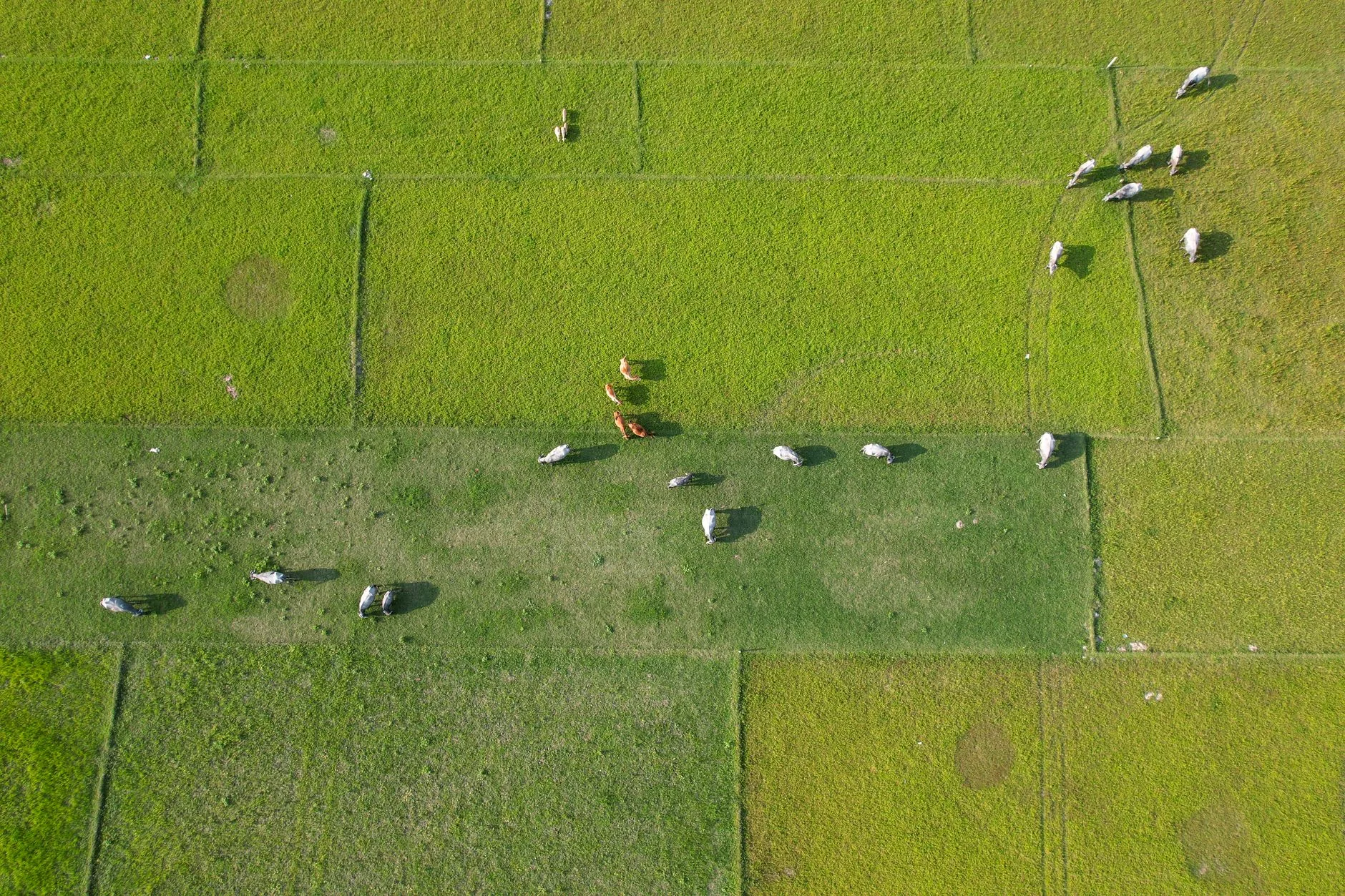
Grazing Land
Pasture Development in Manning, SC for Cattle, Horses and Livestock
Badland, LLC handles pasture development in Manning, SC, opening up grazing ground for cattle, horses and other livestock on farms, ranches and small acreage. Call (803) 468-8836 for a free estimate.
Signs Your Land Is Ready for Pasture Development in Manning, SC
Good pasture does not happen by accident. Grazing land that is not managed fills with brush, briars and young trees, and woods next to an open field never become pasture on their own. Pasture development in Manning, SC, shapes ground that livestock can graze and you can manage. Owners usually reach out when they notice the pasture shrinking or the herd outgrowing it:
- Brush, briars and saplings spreading across an existing pasture.
- Livestock crowding into too little open ground for the size of the herd.
- Wooded acreage next to the pasture that could carry more animals.
- Fence lines buried in growth, making them hard to walk or repair.
- A new property with livestock plans but no open grazing land yet.
What to Expect
The Pasture Clearing Process
Pasture clearing works best when it is planned around the animals that will use the ground. Cattle, horses, goats and other livestock each use land differently, so Badland, LLC starts with what you raise and how many head you plan to carry. The steps below keep the finished pasture tied to how you will actually use it.
- Topsoil
Walk the Pasture Ground
The crew walks the land with you and looks at the overgrowth, the trees, wet areas, water sources and existing fences. You describe your livestock and how you want to divide the ground.
- Subsoil
Choose the Shade Trees
Livestock need shade, so the crew picks out the trees worth keeping before any work begins. Healthy hardwoods in the right spots are marked to stay, along with any natural features you value.
- Red clay
Clear the Grazing Ground
The crew clears brush, unwanted trees and overgrowth from the agreed area, working around the trees marked to stay. Fence line routes and gates are cleared as part of the plan.
- Solid ground
Walk the Finished Pasture
The crew walks the cleared ground with you to confirm it matches the plan. From there, you can move ahead with seeding, fencing and the grazing plan that suits your herd.
Converting Woods to Pasture
Converting woods to pasture is how many landowners add grazing ground without buying more land. A stand of pines or mixed hardwoods next to existing pasture can often be opened up to carry more animals or to give you room to rotate grazing.
Woods converted to pasture should not be cleared the same way as cropland. A good pasture keeps scattered shade trees, especially sturdy hardwoods, so livestock have relief on hot South Carolina afternoons. Tree lines along creeks or low areas can also be worth keeping for shade and to protect the bank.
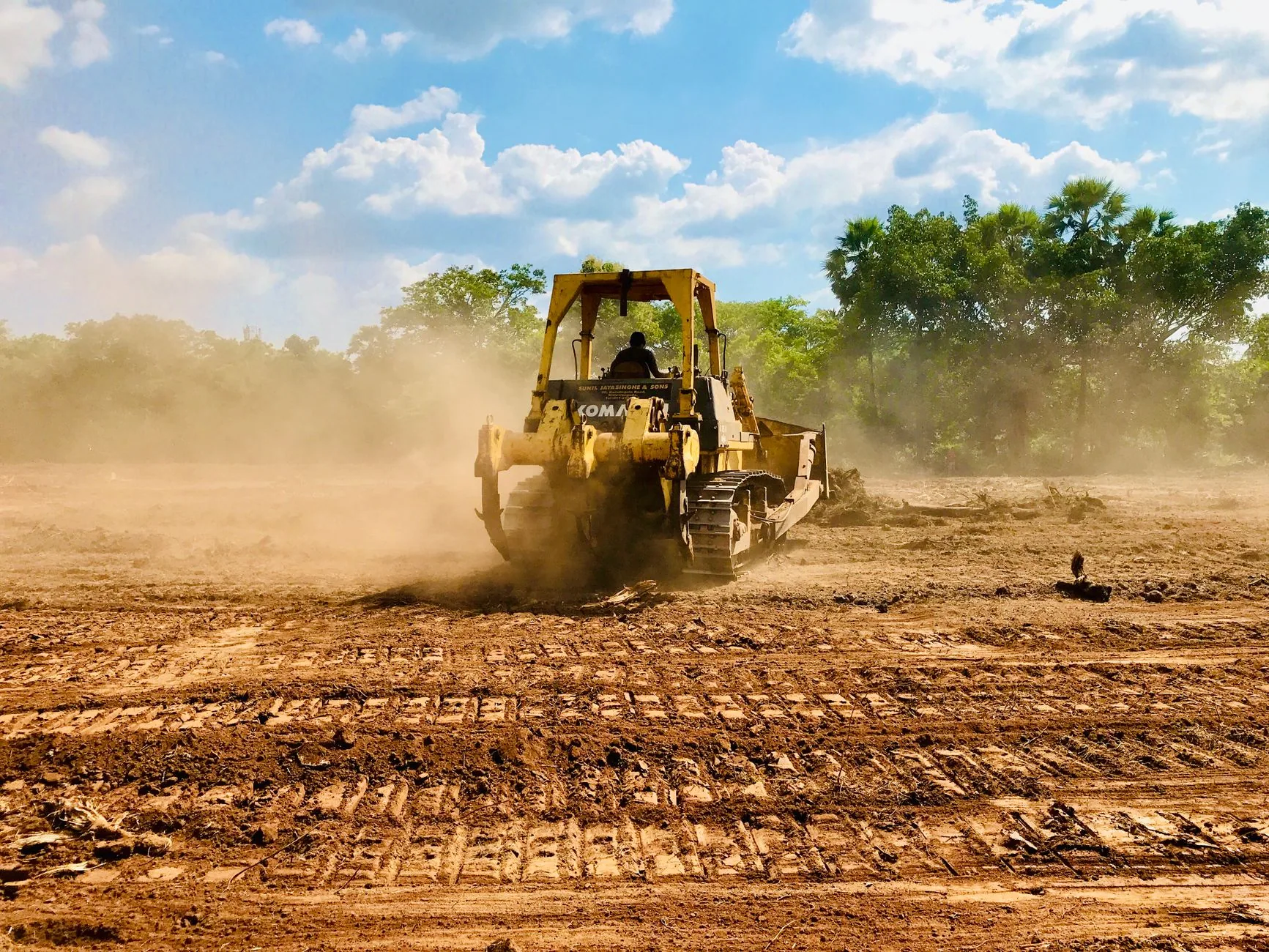
Roots and stumps matter in a pasture, too. Mowing, spreading and hay equipment all have to run over the ground, and leftover stumps can damage equipment and injure animals. The clearing is planned so the finished pasture is safe to graze and practical to maintain. Handling stumps well at the start also keeps brush from sprouting back as quickly, which saves work in the seasons that follow.
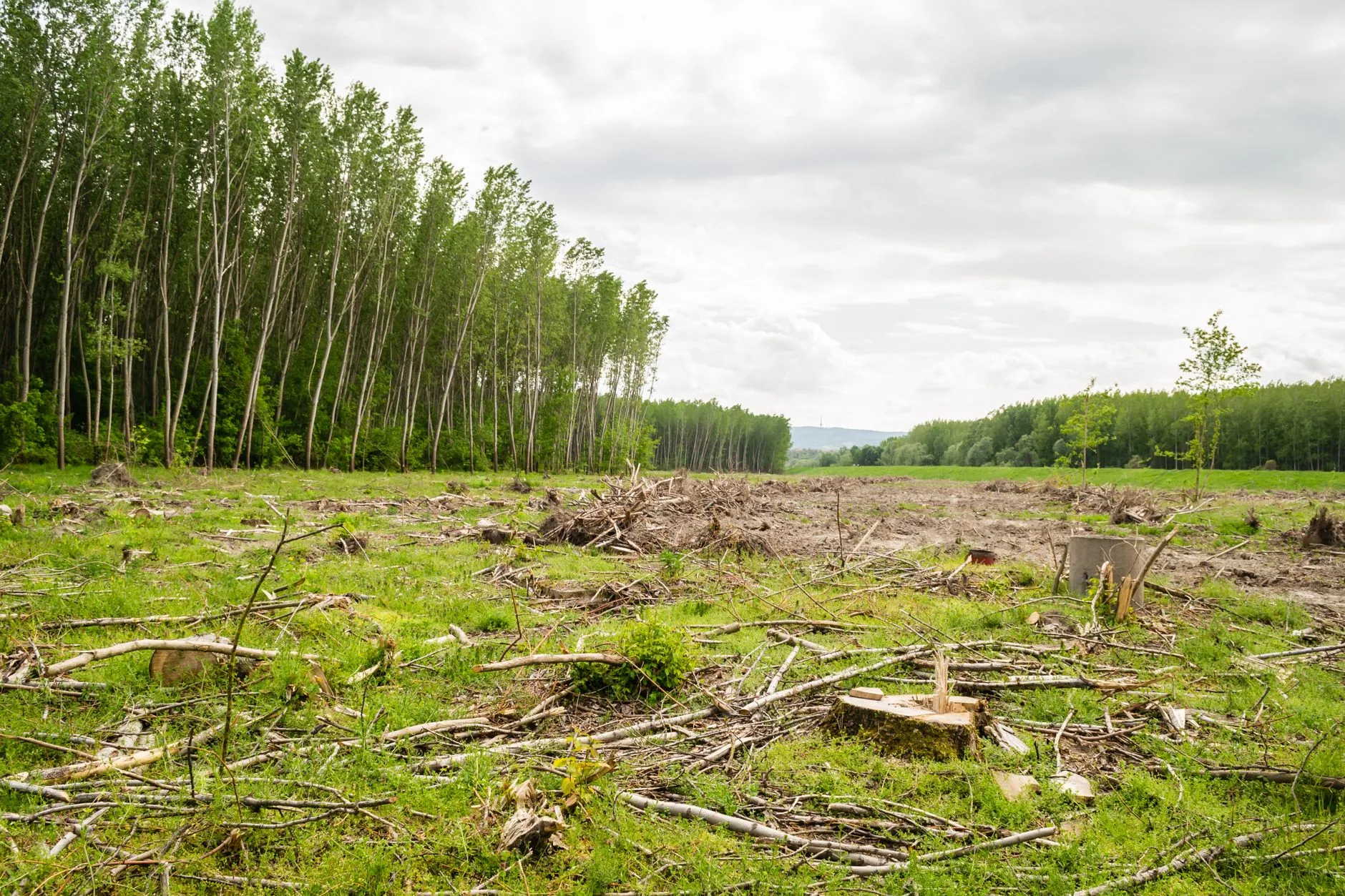
Pasture Renovation for Overgrown Grazing Land
Pasture renovation brings existing grazing land back to good condition. Even well used pastures slowly lose ground to brush, briars, thorny shrubs and saplings, especially along fence lines, in corners and around low spots livestock avoid.
Renovation clears out that unwanted growth so grass can take back the ground. It is often the fastest way to add usable grazing, because the land is already pasture and the fences are already in place. Clearing overgrown corners and fence lines also makes the pasture easier to check and the fences easier to repair.
The crew looks at why the pasture became overgrown in the first place, such as a corner animals do not use or a wet area that stays soft. Knowing that helps you plan how to keep the renewed pasture open for years after the clearing is done. Small changes, such as moving a gate or a water trough, can get animals using ground they used to avoid.
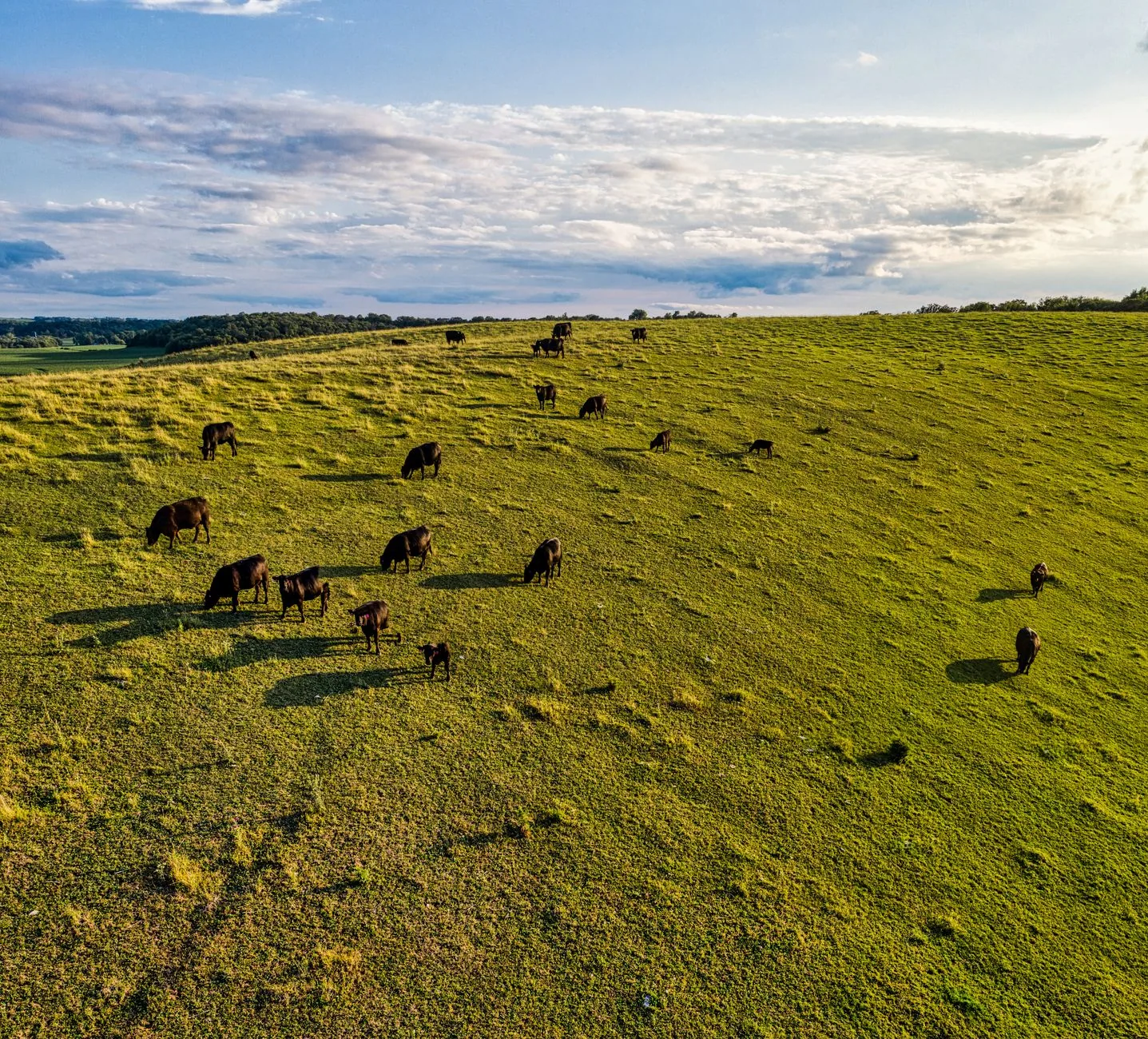
Ranch Land Clearing for Larger Operations
Ranch land clearing covers bigger grazing projects: dividing large tracts into separate pastures, clearing long fence lines, and opening access between grazing areas, water and working pens. These jobs are planned at the scale of the whole operation, not one field at a time.
On larger properties, the layout of the land matters as much as the clearing itself. Clear routes for moving animals, good access for trucks and trailers, and pasture divisions that make rotation practical all shape where the crew clears and what it leaves standing. Badland's access road clearing work can open the lanes that connect the operation.
Ranch owners also tend to want wooded areas left for shade, wind protection and wildlife. The crew plans those areas with you so the property works as a whole, with open grazing where you need it and trees where they help.
What Affects the Cost of Pasture Work
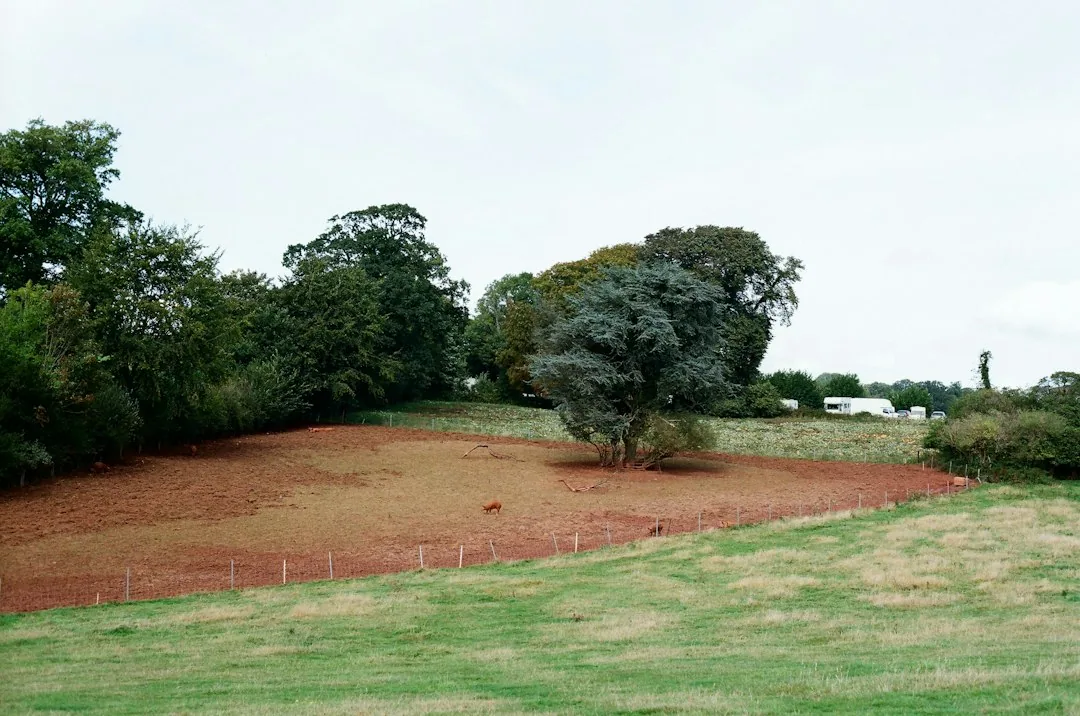
Pasture clearing cost depends mainly on what is growing on the land today. Renovating a pasture that has grown up in brush costs less than converting a stand of mature woods, and both depend on how many shade trees and features are kept. The estimate is free and starts with a walk across the ground. The main factors are:
- Acres to be cleared and the size and density of the growth
- Whether the job is renovation or converting woods to pasture
- The number of shade trees and features being kept
- Fence line length and how buried the fences are in growth
- Wet areas, creeks and ground conditions
- How cleared trees, brush and stumps are handled
Why Livestock Owners Choose Badland, LLC

Badland, LLC works with farmers, ranchers and acreage owners, and agricultural use is one of the first things the company considers on any property. Its 9 years of industry experience have shown that a pasture is judged by how it serves the animals and the people who manage them.
The crew communicates clearly, shows up prepared and completes the agreed scope with care. It takes shade trees, water and access seriously, because those details decide how well a pasture works. Specialized equipment and experienced operations let the crew clear efficiently while keeping unnecessary impact on the ground low. Grass, soil and fences outside the work area are left as they were found.
Pasture work often grows out of agricultural land clearing on the rest of the farm. Both are part of Badland's full range of land clearing services.

Pasture Work Throughout the Service Area
From its base in Manning, Badland develops pasture for livestock owners across Clarendon County, Sumter County and Williamsburg County. Grazing land here ranges from a few acres for horses behind a home to larger cattle operations on family farms. Pasture development in Manning, SC, and the towns nearby is planned around the animals you keep, so a horse paddock and a cattle pasture are never cleared the same way.
Pasture development in Manning, SC, and around Alcolu is covered on the page for land clearing in Manning. The crew also works with livestock owners around Sumter, Pinewood and Dalzell, in Williamsburg County, and around Eastover. Call Monday to Saturday, 8 AM to 5 PM, to schedule a visit to your pasture.
Pasture Development Questions
How many shade trees should I leave in a new pasture?
It depends on the size of the pasture and the number of animals, but every pasture should give livestock enough shade to rest during hot weather. Several healthy hardwoods spread across the field, or a tree line along one edge, usually work well. The crew walks the ground with you and picks out the strongest trees in the most useful spots before clearing.
Can you clear along my existing fence lines?
Yes. Overgrown fence lines are one of the most common pasture problems, and clearing them makes fences easier to inspect, repair and replace. The crew clears brush, vines and saplings along the fence while taking care not to damage the fence itself. Fence line clearing is often combined with renovating the overgrown corners of the same pasture.
Is it better to renovate my pasture or clear new woods?
Renovating existing pasture is usually faster and less costly, because the ground is already open and the fences are in place. Clearing woods adds new grazing ground but is a larger job with bigger trees and stumps. Many owners renovate first, then convert woods later as the herd grows. Badland can price both so you can compare.
Why do stumps matter in a pasture?
Stumps left in a pasture can injure livestock, damage mowers and hay equipment, and make the ground harder to maintain. They also tend to sprout new growth that brings brush back. Planning how stumps are handled is an important part of any pasture project, especially where the ground will be mowed, cut for hay or crossed often by animals.
Free Estimates
Give Your Livestock More Room to Graze
More open, well planned pasture means healthier animals and less work keeping brush in check. Walk your land with the Badland crew, describe your herd, and get a written scope for the pasture work at no cost. Call Monday to Saturday, 8 AM to 5 PM, or send a request for your free estimate.