Habitat Work
Wildlife Habitat Management in SC for Turkey, Deer and Quail
Badland, LLC builds the food, cover and open ground that hold game, then sets landowners up to keep it going. See the results on Crooked Pine Farms first.
Wildlife Habitat Management in SC, Proven on Crooked Pine Farms
Badland, LLC offers wildlife habitat management in SC across Clarendon, Sumter and Williamsburg counties and nearby towns. Its approach comes from the owner's own land, not from a brochure.
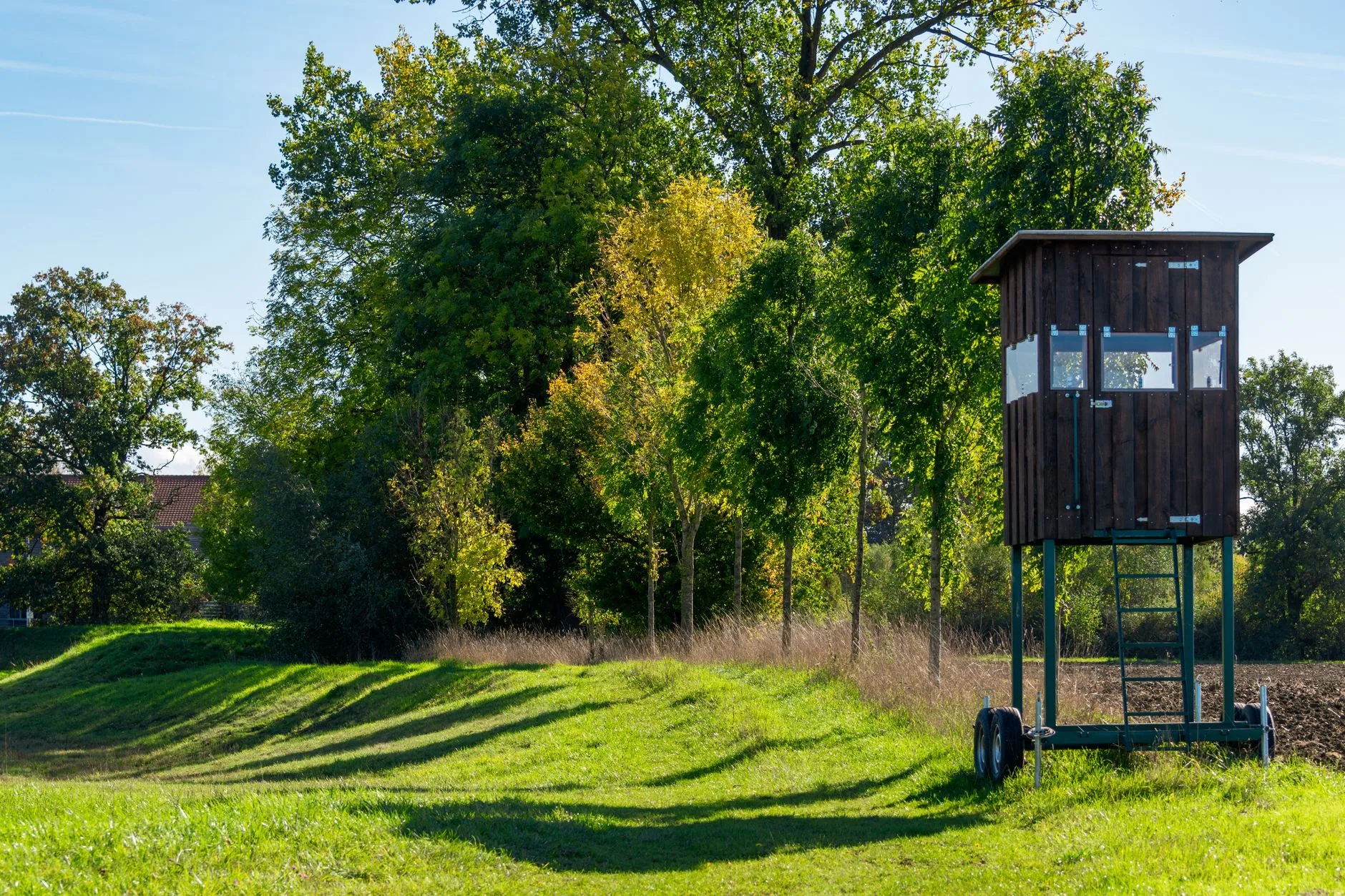
Will Barwick, the owner, has been devoted to wild turkeys for 25 years. He learned to run heavy equipment to restore turkey habitat on Crooked Pine Farms, his 300 acre hunting property. Over 8 years of improvements there, turkey, deer and quail populations quadrupled while predator populations were cut in half.
Other landowners noticed, and the business grew from that success. Today Badland brings the same methods to hunting tracts, farms and recreational acreage. The goal is to turn a property into productive ground for turkey, quail and deer.
Services
Wildlife Work for Hunting and Recreational Land
Good wildlife work gives a property what it is missing. That may be food through the lean months, nesting and brood cover, open ground or water. Habitat improvement, food plots, hunting property work and pond improvements often work together, so a single plan can address the whole tract instead of one corner of it.
-
Wildlife Habitat Improvement
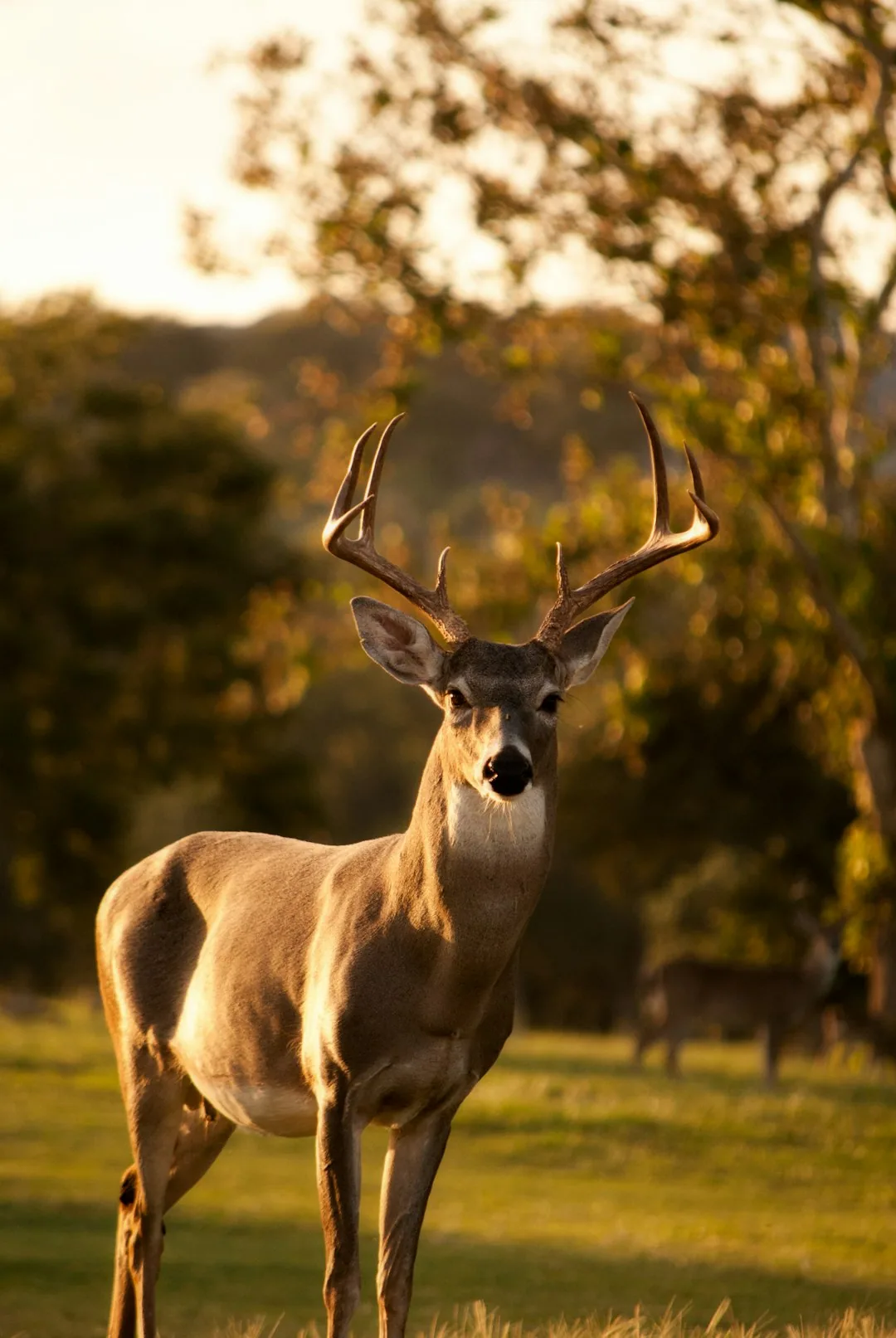
Badland, LLC handles wildlife habitat improvement in Manning, SC, reshaping cover, openings and edges so turkey, deer and quail get more use from your land.
-
Food Plot Installation
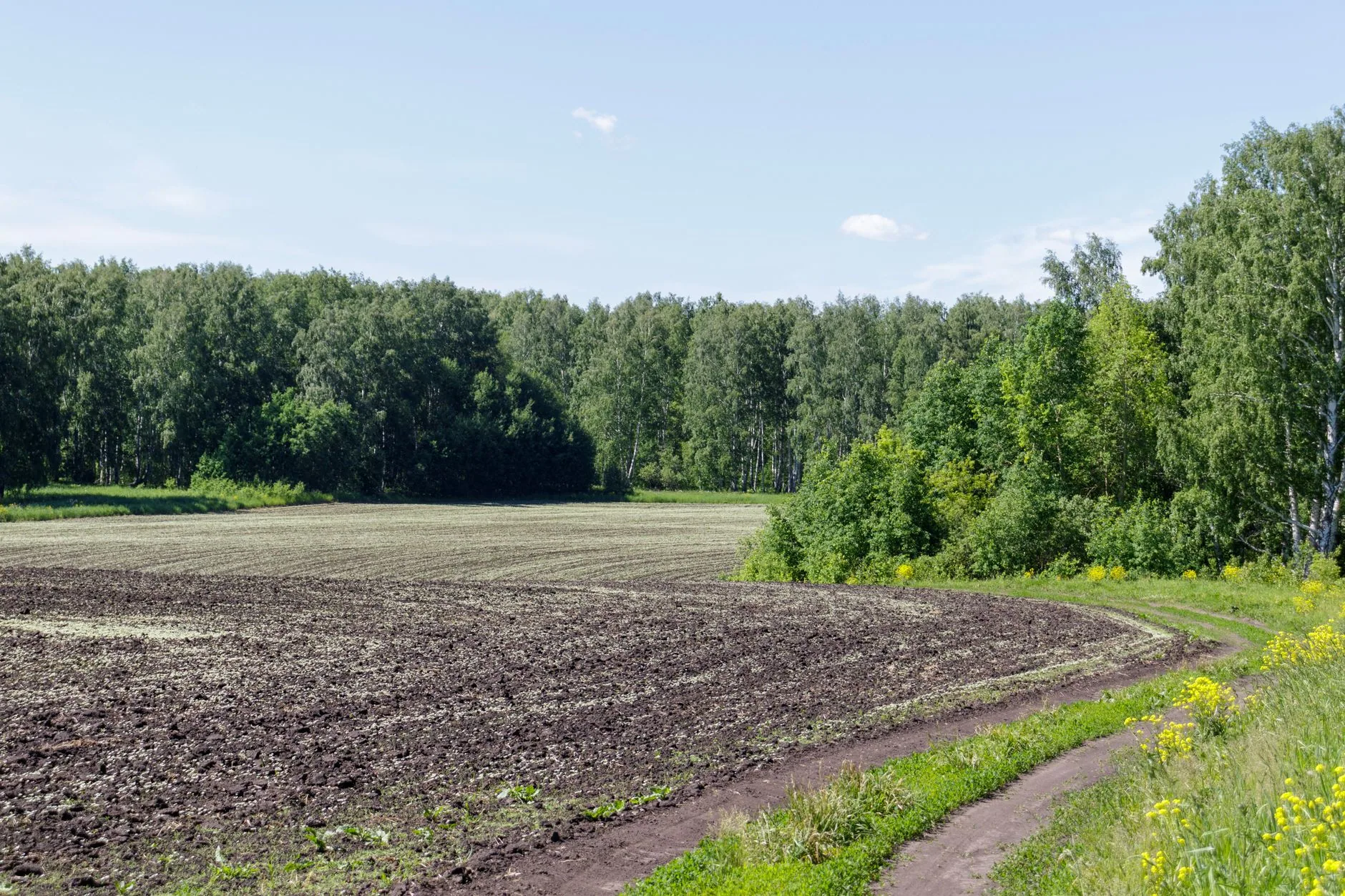
Badland, LLC handles food plot installation in Manning, SC, choosing, clearing and shaping plot sites that fit how deer, turkey and quail use your land.
-
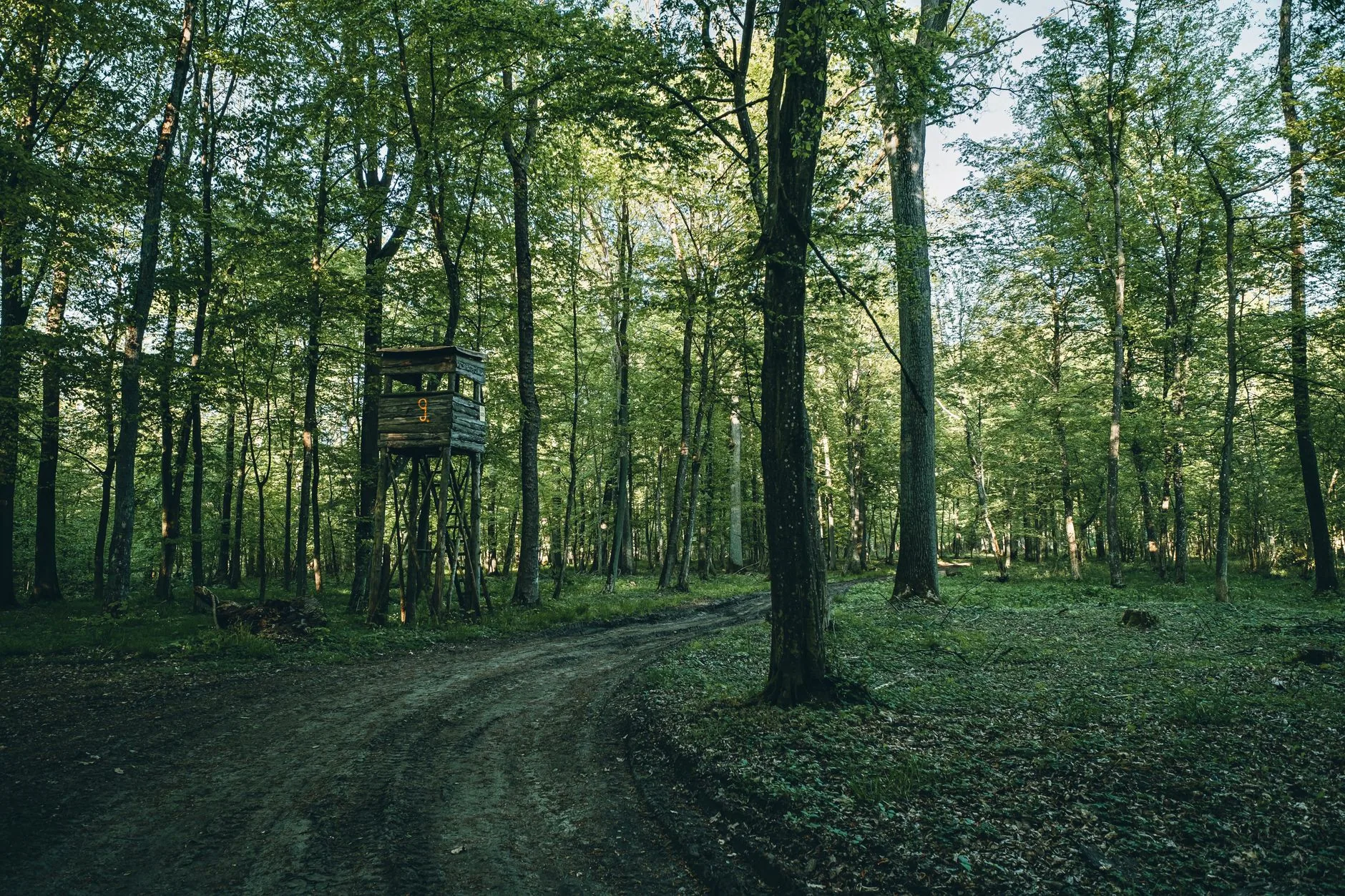
Hunting Property Improvements
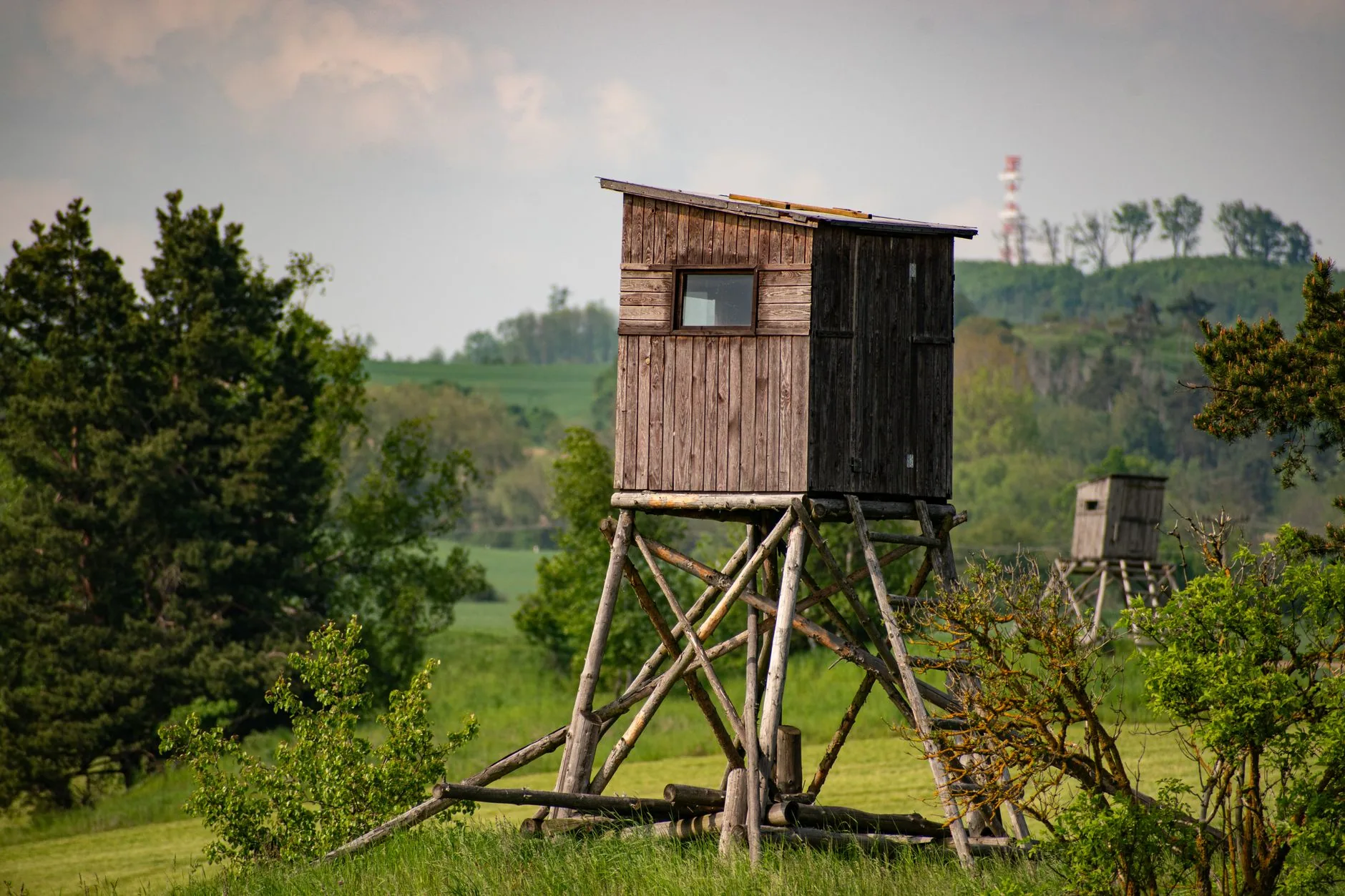
Badland, LLC makes hunting property improvements in Manning, SC, from shooting lanes and stand access to trails and openings that make land easier to hunt and enjoy.
-
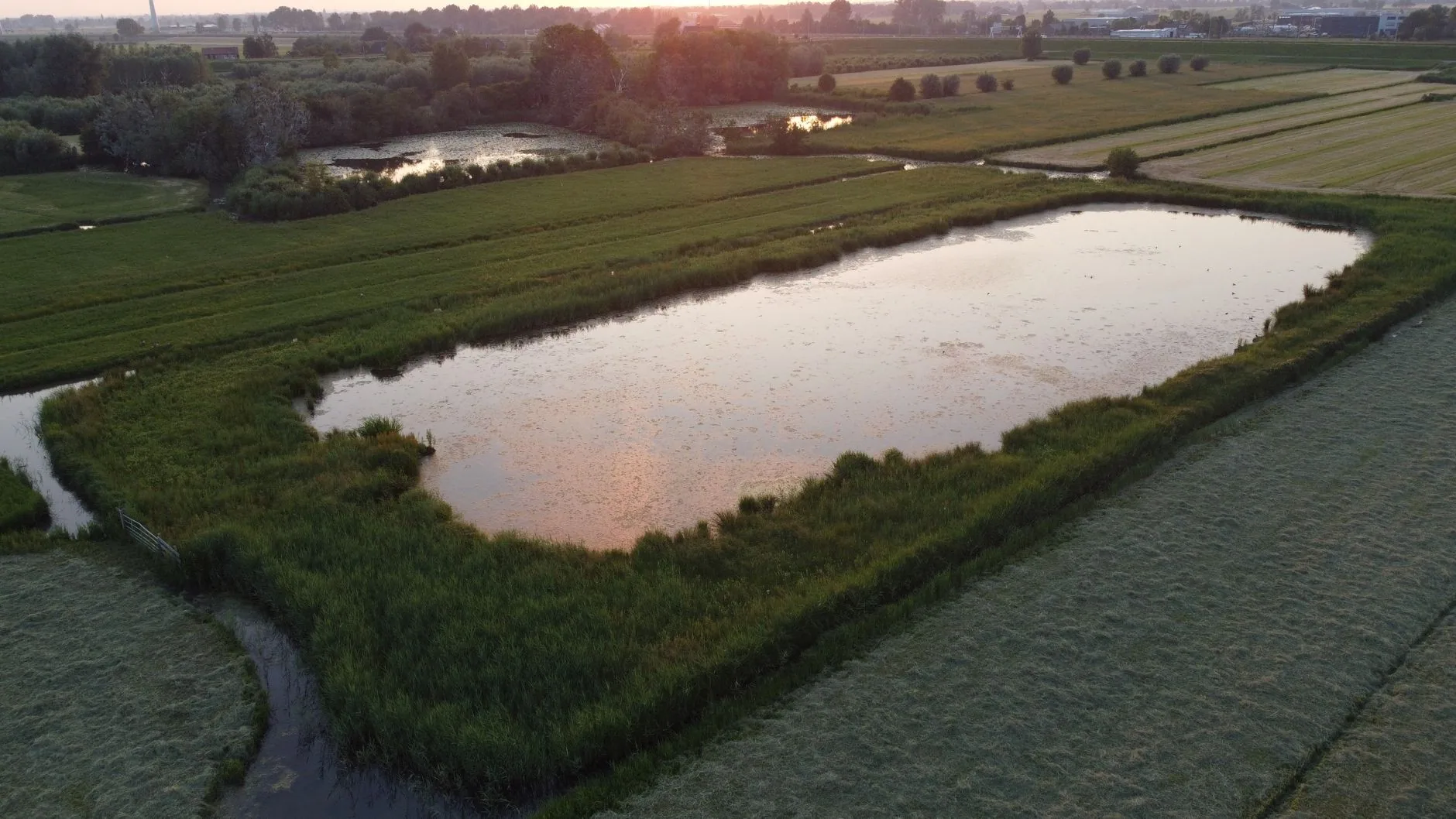
Pond And Water Feature Improvements
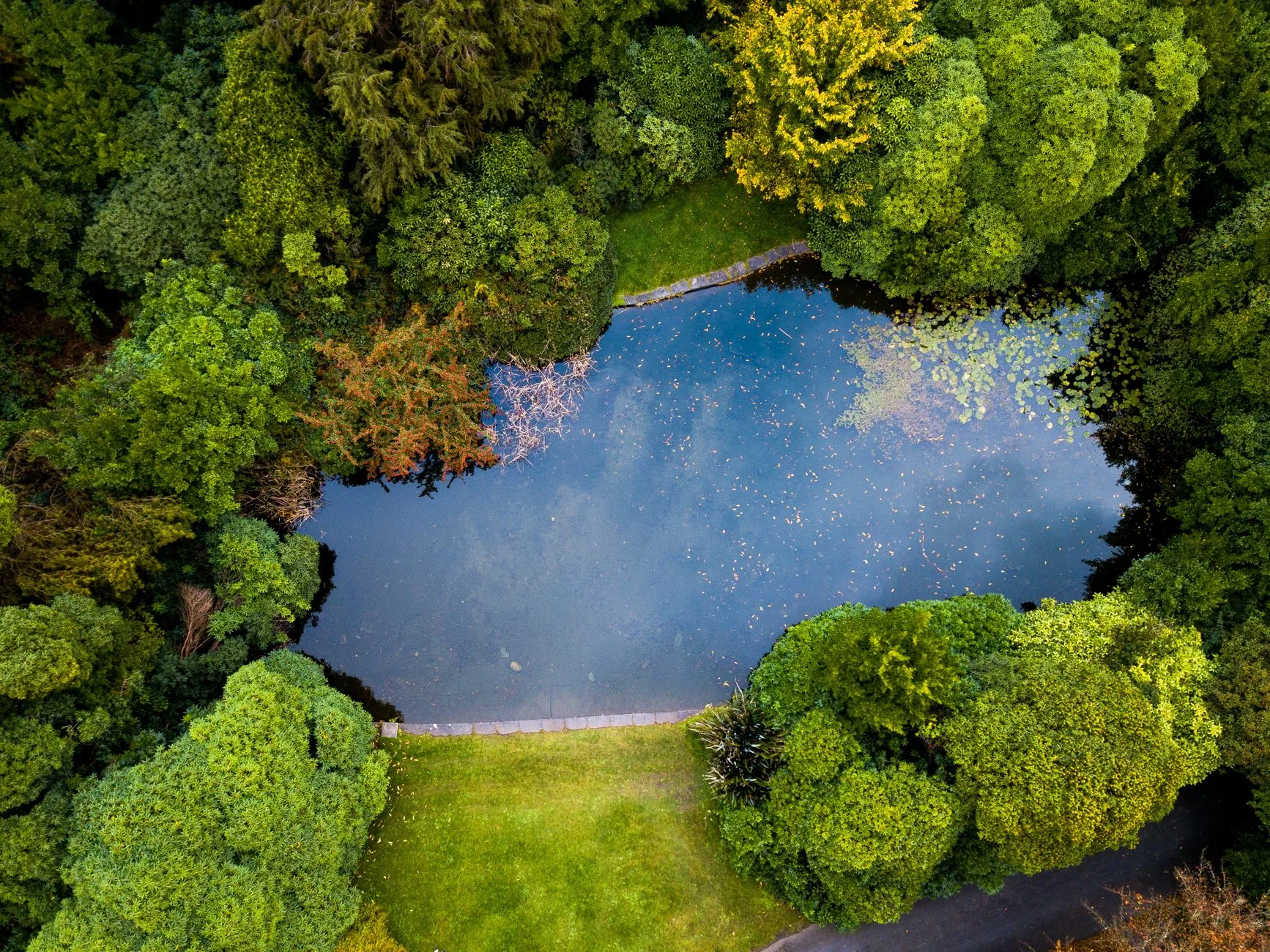
Badland, LLC handles pond improvements in Manning, SC, clearing overgrown banks, opening access and reshaping ponds and wet areas so they serve wildlife and recreation.
An NRCS EQIP Habitat Contractor for Cost-Share Projects
Each year, property owners receive federal cost-share funding to carry out habitat improvements on their land. Programs such as EQIP, run by the Natural Resources Conservation Service, are one example. Whatever the program, the landowner is responsible for finding a contractor to do the work.
Badland fills that role. If your plan calls for clearing, openings, food plots, fire breaks or water improvements, the crew can carry out the equipment work. The plan then becomes real habitat on the ground.
The program decides eligibility and approval, not the contractor. If you already have a plan, or you are still exploring your options, call to talk through the work and get a free estimate.
How It Works
How a Habitat Project Comes Together
Badland plans habitat work around the wildlife you want and the land you have. The steps are the same on a small hunting tract and on a large farm.
- Topsoil
Tour Crooked Pine Farms
Prospective customers can walk Crooked Pine Farms to see improved habitat in person. It helps you decide what you want on your own property.
- Subsoil
Walk Your Property
The crew looks over your land, its cover, fields, timber and water, then talks through the species and hunting goals that matter to you.
- Red clay
Plan the Improvements
You get a free estimate covering the work, such as openings, food plots, cover, roads and pond improvements, in the order that makes sense.
- Solid ground
Build It and Hand It Over
The Badland crew completes the agreed work. You are then set up to keep managing the land, so the gains continue season after season.
Habitat Restoration on Overgrown and Neglected Land
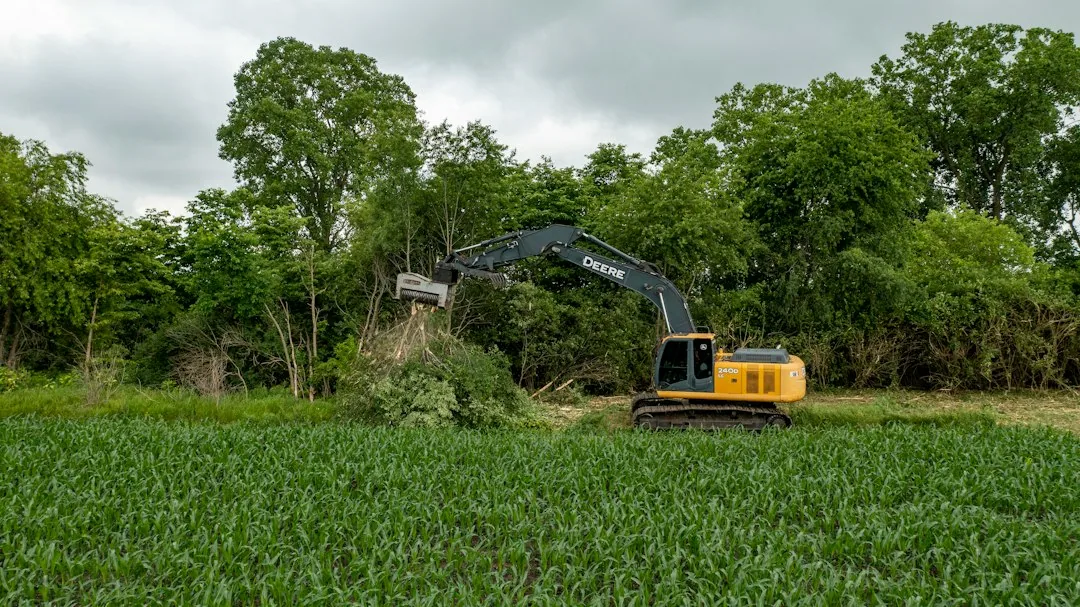
Many properties have gone too long without care. Thick, closed woods shade out the ground cover that turkeys and quail need, and old fields grow into brush that offers little food. Habitat restoration opens that ground back up and gives it a purpose. It is often the first step in wildlife habitat management in SC on land that has been left alone for years.
Restoration might mean clearing selected areas to let sunlight reach the ground. It can also mean creating openings and edges, putting in food plots or reclaiming overgrown fields. Desirable trees and natural features stay, because mature hardwoods, good timber and cover along creeks all have value for wildlife.
The work is done with specialized equipment and careful planning. That limits unnecessary impact on the rest of the property.
Why Choose Badland as Your Land Management Company
Landowners choose Badland because Will has already done on his own land what they want done on theirs. That firsthand experience shapes every plan the company writes.
- Methods proven on a 300 acre hunting property
- Tours of Crooked Pine Farms before you commit to anything
- 9 years of industry experience in land clearing and conversion
- Clearing and wildlife work from one company, planned together
- A focus on setting landowners up to manage the land afterward
Badland also provides land clearing services in Clarendon County, SC. The same crew can cut access roads, clear fire breaks and open old fields as part of your plan.

Where Badland Does Habitat Work
Most Badland habitat projects are on hunting and farm land within reach of Manning. That includes Manning and Alcolu, Sumter and Pinewood, and Summerton.
The crew also takes on habitat work around Santee, Eastover and across Williamsburg County. Wherever the property sits, the plan starts with the same walk of the land and the same talk about your goals.
Questions About Wildlife Habitat Work
How long does it take to see results from habitat work?
Some changes show quickly. Food plots and new openings can draw deer and turkeys within a season. Larger population gains take longer: on Crooked Pine Farms, turkey, deer and quail numbers quadrupled over 8 years of steady improvements. Steady care year after year matters more than any single project, which is why Badland sets landowners up to keep it going.
Can you do the work on an EQIP or other cost-share plan?
Yes. Federal cost-share programs such as EQIP pay toward habitat improvements, but the landowner must find a contractor to do the work. Badland carries out the equipment work a plan calls for, such as clearing, openings, food plots and fire breaks. The program itself decides eligibility and approval, so check with your program office about the terms of your plan.
Which wildlife does your habitat work focus on?
The focus is wild turkey, white-tailed deer and bobwhite quail, the species Will has managed for on his own property. Improvements such as openings, food sources, brood cover and edges are placed with those species in mind. Your plan is shaped around the species and hunting goals you care about most.
Will habitat work hurt my timber?
It does not have to. Habitat plans work around desirable trees and valuable timber, and selective clearing often leaves the best trees with more room to grow. Openings, edges and food plots can be placed where they help wildlife without giving up the stands you want to keep. You mark what matters to you before any work begins.
See It First
Build Habitat That Holds Game
If your land should be holding more turkeys, deer and quail, start with a talk and a tour of Crooked Pine Farms. Call Badland, LLC at (803) 468-8836, Monday to Saturday, 8:00 AM to 5:00 PM, for a free estimate on your property.